A dishwasher heating element failure can be frustrating, especially when you replace the part and the same problem comes back. The heating element helps warm the water and dry dishes during the dishwasher cycle. When it stops working, dishes may come out cold, wet, greasy, or still covered with food. Hard water can also cause mineral buildup around the heating element and other parts. Tucson homeowners dealing with repeated heating problems may need professional Dishwasher Repair in Tucson to find the real cause instead of replacing the same part again.
What Does a Dishwasher Heating Element Do?
The heating element is an important part of a dishwasher. It helps raise the water temperature during the wash cycle. It may also help dry dishes near the end of the cycle.
When the element works correctly, the dishwasher can use heat to improve cleaning and drying. If the element stops working, the dishwasher may still run through the cycle. However, the dishes may not be cleaned or dried properly.
A heating problem does not always mean the element itself is bad. A thermostat, temperature sensor, wiring connection, control board, or water circulation problem can also cause similar symptoms.
That is why testing the complete heating system is important before buying a replacement part.
What Causes Dishwasher Heating Element Failure?
Several problems can cause a heating element to stop working. Some are related to normal wear, while others are caused by water quality, electrical faults, or other damaged parts.
The most common causes include:
- Hard water mineral buildup
- Faulty wiring
- Loose electrical connections
- A damaged thermostat
- A bad temperature sensor
- Poor water circulation
- Physical damage
- Incorrect replacement parts
- Control board problems
Finding the cause is important when the same heating element fails more than once.
1. Hard Water Can Cause Mineral Buildup
Hard water is a common concern for many homeowners. It contains minerals such as calcium and magnesium. When this water is heated, the minerals can leave deposits on surfaces inside the dishwasher.
These deposits can collect around the heating element. You may see a white, chalky layer on the element or other parts of the dishwasher.
Heavy buildup can make it harder for the dishwasher to heat water properly. Mineral deposits can also collect on spray arms, filters, and the bottom of the tub.
Tucson homeowners should pay attention to signs of hard water. White spots on glasses, cloudy dishes, and chalky deposits inside the dishwasher may indicate mineral buildup.
Regular cleaning can help reduce these deposits. However, cleaning cannot repair an element that is already damaged or burned out.
2. Electrical Problems Can Damage the Element
The heating element needs a steady electrical supply to work correctly. A damaged wire or loose connection can create problems with the heating system.
A loose connection may also create extra heat around the terminal. Over time, this can damage the wire or connector.
If a new heating element fails soon after installation, the electrical system should be checked. Simply installing another element may not solve the problem.
Electrical testing should be handled carefully. A dishwasher contains electrical components that can be dangerous when power is connected.
A professional appliance technician can test the wiring and connections as part of a complete repair.
3. A Bad Thermostat Can Cause Heating Problems
The thermostat helps control the dishwasher’s temperature. It tells the appliance when the water has reached the correct temperature.
A faulty thermostat may send the wrong signal. The dishwasher could stop heating too early or continue heating when it should stop.
This can make a heating element appear to be the problem even when the element is still working.
The temperature sensor can cause similar issues. Modern dishwashers may use electronic sensors to monitor water temperature during different stages of the cycle.
For this reason, technicians should test these parts before replacing the heating element.
4. Poor Water Circulation May Be the Real Problem
Water needs to move properly inside the dishwasher. The circulation pump and spray arms help move water around the tub.
A clogged filter or blocked spray arm can reduce water movement. Food particles and other debris may also affect circulation.
When water does not move properly, dishes may remain dirty even when the heating element works.
Poor circulation can also make it difficult for heat to reach all areas of the dishwasher.
Cleaning the filter and checking the spray arms can help prevent this problem. If water flow remains weak, professional service may be needed.
5. Physical Damage Can Cause Element Failure
The heating element sits inside the dishwasher tub. Items placed in the wrong position can sometimes damage it.
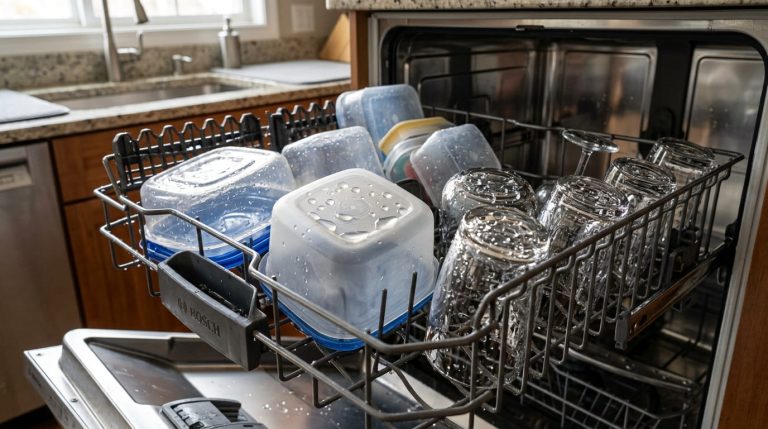
Plastic containers should not rest directly against a heating element. Plastic can melt when exposed to high heat.
Large items can also interfere with the spray arms or contact other dishwasher parts.
Look for visible cracks, burned areas, broken sections, or melted material around the element.
If you notice physical damage, avoid using the dishwasher until the problem has been checked.
Signs Your Dishwasher Heating Element Is Failing
Your dishwasher can show several signs when the heating system is not working correctly.
Common warning signs include:
- Dishes remain wet after the cycle.
- Water does not become hot.
- Dishes still have grease or food on them.
- Glasses have more spots than usual.
- The dishwasher takes longer to finish a cycle.
- The element has visible damage.
- You notice a burning smell.
- A heating error appears on the display.
- The same heating problem returns after a repair.
Wet dishes do not always mean the heating element is bad. Rinse aid, ventilation, thermostats, sensors, and other parts can also affect drying.
A proper diagnosis can help separate a heating problem from a drying problem.
How Hard Water Affects Dishwashers in Tucson
Hard water can affect more than just the heating element. Mineral deposits may collect throughout the dishwasher.
You may notice white spots on dishes or a cloudy appearance on glassware. Mineral deposits can also build up around the filter and spray arms.
The heating process can make mineral scale more noticeable because minerals can come out of the water as it gets hot.
A dishwasher cleaner or descaling product approved for your appliance may help reduce buildup. Always follow the manufacturer’s instructions before using a cleaning product.
If hard water is affecting several appliances in your home, testing your water may also be useful.
Real-World Dishwasher Repair Costs
The cost of a dishwasher heating repair depends on the model, part, labor, and the cause of the problem. Published repair information shows that prices can vary widely.
| Repair information | Reported example |
|---|---|
| Heating element replacement | About $150–$250 |
| Example GE heating element part | About $36 |
| Example Whirlpool heating element part | About $70 |
| Some dishwasher heater assemblies | Can exceed $300 |
These numbers are examples rather than fixed Tucson prices. Your actual repair cost may be different because appliance models and labor rates vary.
The most important point is that the heating element may not be the only part that needs attention. Diagnosing the complete system can help prevent repeated repair costs.
How to Prevent Dishwasher Heating Problems
Good maintenance can help your dishwasher work more reliably.
Start by cleaning the dishwasher filter regularly. A dirty filter can affect water flow and cleaning performance.
Keep the spray arms free from food particles. Make sure they can rotate without hitting plates, pans, or utensils.
Do not overload the dishwasher. Proper spacing allows water to move around the dishes.
Avoid placing plastic items directly over or against the heating element.
Use dishwasher detergent according to the manufacturer’s instructions. Too much detergent does not always mean cleaner dishes.
If you have hard water, follow the manufacturer’s recommendations for removing mineral buildup.
These simple steps can reduce stress on the dishwasher and help protect its heating system.
Should You Replace the Heating Element Again?
If your heating element has failed once, replacement may solve the problem. However, repeated failure is a different situation.
A second or third failure suggests that another issue may be present.
The technician may need to check:
- Heating element resistance
- Electrical wiring
- Electrical terminals
- Thermostat
- Temperature sensor
- Control board
- Circulation pump
- Spray arms
- Water flow
- Mineral buildup
Testing these components can help identify the actual cause.
Replacing parts without finding the cause can lead to repeated repair bills.
When Should You Call a Dishwasher Repair Professional?
You should consider professional service when the dishwasher repeatedly stops heating, leaves dishes wet, produces a burning smell, or shows a heating error.
Professional Dishwasher Repair in Tucson can help identify whether the problem is related to the heating element, electrical system, temperature control, or water circulation.
It is especially important to get help when electrical wiring is involved. Working on electrical components without the proper knowledge can create a safety risk.
A technician can inspect the appliance and explain whether repair or replacement makes more sense.
Why Choose A Plus Appliance Repair in Tucson?
A Plus Appliance Repair helps Tucson homeowners with appliance problems, including dishwasher issues.
When a heating element keeps failing, the goal should not be to replace the same part again and again. The better approach is to find the reason for the failure.
A professional inspection can check the heating system and related components. This can help homeowners make a better repair decision.
If you are searching for Dishwasher Repair in Tucson, A Plus Appliance Repair can help diagnose the problem and recommend the next step.
Frequently Asked Questions
1. Why does my dishwasher heating element keep failing?
A heating element may fail because of hard water buildup, electrical problems, a faulty thermostat, a bad temperature sensor, poor water circulation, physical damage, or an incorrect replacement part.
2. Can hard water damage a dishwasher heating element?
Hard water can leave calcium and magnesium deposits inside the dishwasher. Heavy mineral buildup around the heating element may affect heating performance and contribute to long-term wear.
3. How can I tell if my dishwasher heating element is bad?
Common signs include cold water, wet dishes, poor cleaning, visible damage, and heating-related error codes. A technician can test the element to confirm whether it has failed.
4. How much does it cost to replace a dishwasher heating element?
The cost depends on the dishwasher model, part, labor, and other problems found during the repair. Published repair estimates commonly place heating element replacement in the $150–$250 range, but local prices can vary.
5. Can I clean mineral buildup from the heating element?
Some mineral buildup can be removed with an appliance-safe cleaning or descaling process. However, a cracked or burned heating element cannot be repaired by cleaning and may need replacement.
6. Why are my dishes still wet after replacing the heating element?
The problem may involve the thermostat, temperature sensor, control board, vent, rinse aid, or another part of the drying system. The entire system should be checked if dishes remain wet.
7. How often should I clean my dishwasher?
Clean the filter and inspect the dishwasher regularly. If you notice mineral buildup, follow the manufacturer’s instructions for cleaning and descaling the appliance.
8. Is it safe to use a dishwasher with a damaged heating element?
If you see exposed wiring, severe damage, or signs of burning, stop using the dishwasher and have it inspected. Electrical problems should be handled by a qualified professional.
9. Can a thermostat cause a dishwasher to stop heating?
Yes. A faulty thermostat may give the dishwasher incorrect temperature information. The appliance may then heat for too long, stop heating too early, or fail to heat properly.
10. Where can I get Dishwasher Repair in Tucson?
Tucson homeowners can contact A Plus Appliance Repair for professional dishwasher troubleshooting and repair. A technician can inspect the heating system and help determine why the dishwasher keeps losing heat.
Final Thoughts
Repeated dishwasher heating element failure is often a sign that something else needs attention. Hard water, mineral buildup, electrical faults, temperature sensors, thermostats, poor circulation, and physical damage can all affect dishwasher heating.
Replacing the element without checking these other parts may only provide a temporary fix.
Regular cleaning, proper loading, and attention to hard water buildup can help protect your dishwasher. When the same problem continues, professional Dishwasher Repair in Tucson can help identify the cause and provide the right repair.
For Tucson homeowners, A Plus Appliance Repair can inspect the dishwasher and help determine whether the heating element, electrical system, or another component is responsible for the problem.