A dishwasher is one of the most convenient appliances in any home. When it suddenly stops working, however, it can disrupt your daily routine and leave you dealing with piles of dirty dishes. Many homeowners begin searching for answers as soon as they notice unusual noises, standing water, poor cleaning performance, or a dishwasher that refuses to start altogether.
If you’re looking for answers and considering assistance from Affordable dishwasher repairing experts in Tucson, understanding the most common causes of dishwasher failure can help you identify problems early and potentially avoid more expensive repairs.
While dishwashers are designed to last for many years, they contain numerous electrical, mechanical, and plumbing components that can wear out over time. Some issues are simple enough to troubleshoot, while others require professional diagnosis and repair. This guide explains the most common reasons a dishwasher stops working, warning signs to watch for, practical troubleshooting steps, and when it’s time to contact a professional appliance repair technician in Tucson, Arizona.
Understanding Why Dishwashers Fail
A dishwasher depends on multiple systems working together seamlessly. Water must enter the appliance at the correct pressure, heating elements must reach proper temperatures, pumps must circulate water efficiently, and electronic controls must coordinate the entire wash cycle.
When any one of these components experiences a malfunction, the dishwasher’s performance can suffer or stop completely.
In many service calls, technicians discover that the issue is not always a major mechanical failure. Sometimes a clogged filter, faulty door latch, blocked spray arm, or electrical connection problem is responsible.
The key is identifying the root cause quickly before additional damage occurs.
Fast Dishwasher Repairing Experts in Tucson Explain the Most Common Cause
One of the most common reasons a dishwasher stops working is a clogged drainage system.
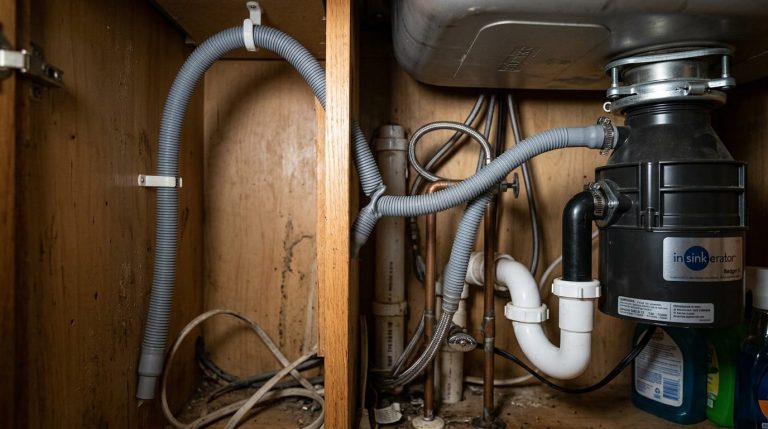
Dishwashers remove dirty water through a drain hose, filter assembly, and drain pump. Over time, food particles, grease, soap residue, and debris can accumulate inside these components. When drainage becomes restricted, several problems may occur:
- Standing water remains at the bottom of the dishwasher.
- Dishes come out dirty or cloudy.
- The appliance may stop mid-cycle.
- Error codes may appear on the control panel.
- Unpleasant odors may develop.
Many homeowners assume the entire dishwasher has failed when the actual issue is a blockage preventing proper drainage.
In Tucson homes, hard water conditions can also contribute to mineral buildup that affects dishwasher performance over time. This is one reason regular maintenance is important for extending appliance life.
Other Common Reasons a Dishwasher Stops Working
Although drainage problems are extremely common, several other issues frequently cause dishwasher failures.
Faulty Door Latch Assembly
Modern dishwashers include safety mechanisms that prevent operation when the door is not securely closed.
If the door latch becomes worn, damaged, or misaligned, the dishwasher may:
- Fail to start
- Stop unexpectedly during a cycle
- Display error messages
- Appear completely unresponsive
Sometimes homeowners mistakenly assume the appliance has lost power when the actual issue involves the latch mechanism.
Malfunctioning Water Inlet Valve
The water inlet valve controls the amount of water entering the dishwasher.
When this component fails, the appliance may:
- Fill slowly
- Not fill at all
- Produce poor cleaning results
- Leave detergent undissolved
Low water pressure symptoms are often linked to a faulty valve or supply issue.
Clogged or Damaged Spray Arms
Spray arms distribute water throughout the dishwasher.
Food particles, mineral deposits, and debris can block the spray holes, preventing water from reaching dishes properly.
Common symptoms include:
- Dirty dishes after a complete cycle
- Uneven cleaning results
- Food residue remaining on plates and utensils
Regular cleaning can often prevent this issue.
Failed Circulation Pump
The circulation pump is responsible for moving water through the spray arms.
When it begins to fail, you may notice:
- Unusual grinding sounds
- Weak water pressure
- Incomplete cleaning
- Interrupted wash cycles
Pump problems typically require professional diagnosis and repair.
Electrical Control Board Issues
Modern dishwashers rely on electronic control boards to manage wash cycles.
Power surges, moisture exposure, or normal wear can cause control board failures.
Signs may include:
- Random shutdowns
- Flashing lights
- Unresponsive controls
- Inconsistent cycle performance
Electrical issues should generally be evaluated by qualified appliance repair technicians.
Warning Signs Your Dishwasher Needs Attention
Dishwashers rarely stop working without providing some warning signs first.
Recognizing these indicators early can help prevent more significant repairs.
Common warning signs include:
- Water pooling inside the appliance
- Dishes remaining dirty after washing
- Extended wash cycle times
- Strange noises during operation
- Leaks around the unit
- Burning smells
- Failure to drain properly
- Error codes on the display panel
- Reduced cleaning performance
- Unexpected shutdowns
Many Tucson homeowners delay repairs when symptoms first appear. Unfortunately, small issues often develop into larger and more expensive problems over time.
Trending Now: Is it worth getting a dishwasher repaired?
DIY Troubleshooting Steps Homeowners Can Try
Before scheduling a repair appointment, there are several safe troubleshooting steps homeowners can perform.
Check the Power Supply
Verify that:
- The circuit breaker has not tripped.
- The power cord is secure.
- The outlet is functioning properly.
Electrical interruptions can sometimes mimic appliance failures.
Clean the Filter
Many dishwasher performance problems are caused by dirty filters.
Remove and clean the filter according to the manufacturer’s recommendations. Removing trapped food particles can improve drainage and cleaning efficiency.
Inspect the Spray Arms
Remove debris from spray arm openings.
Ensure the arms rotate freely and are not blocked by improperly loaded dishes.
Verify Water Supply
Confirm that the water supply valve is fully open and that no kinks exist in the supply line.
Examine the Door Seal
Look for visible damage or debris around the gasket.
A compromised seal may cause leaks and affect dishwasher operation.
While these steps can resolve minor issues, homeowners should avoid disassembling internal components or performing electrical repairs without proper training.
Professional Diagnosis Makes a Difference
Dishwasher problems can appear similar even when the underlying causes are completely different.
For example:
- Standing water may indicate a clogged drain hose, failed drain pump, or control board issue.
- Poor cleaning performance could result from spray arm blockage, water pressure problems, or circulation pump failure.
- Failure to start may involve electrical issues, door latch problems, or damaged controls.
Professional technicians use specialized diagnostic procedures to identify the exact cause quickly and accurately.
This reduces unnecessary parts replacement and helps restore appliance performance efficiently.
At this stage, many homeowners choose to contact A Plus Appliance Repair for expert troubleshooting and repair services throughout Tucson. Their technicians diagnose issues across major dishwasher brands and help restore reliable operation while minimizing downtime.
Practical Solutions for Common Dishwasher Problems
Once the root cause is identified, the appropriate repair can be performed.
Common solutions include:
- Cleaning drainage systems
- Replacing drain pumps
- Installing new water inlet valves
- Repairing door latch assemblies
- Replacing damaged spray arms
- Repairing electronic control boards
- Replacing worn seals and gaskets
- Correcting electrical connection issues
The appropriate solution depends entirely on the specific diagnosis.
Professional evaluation helps ensure the correct repair is completed the first time.
Preventive Maintenance Tips for Tucson Homeowners
Preventive maintenance is one of the best ways to reduce the likelihood of dishwasher failure.
Clean the Filter Regularly
A clean filter improves drainage and helps maintain washing performance.
Most manufacturers recommend periodic cleaning based on usage frequency.
Scrape Excess Food from Dishes
Modern dishwashers can handle some food residue, but excessive debris increases the risk of clogs.
Use Quality Dishwasher Detergent
Low-quality detergents may leave residue that contributes to buildup inside the appliance.
Inspect Spray Arms
Check periodically for mineral deposits or blockages.
Run Hot Water Before Starting a Cycle
Allowing hot water to reach the dishwasher improves cleaning efficiency and detergent activation.
Monitor Hard Water Effects
Many Tucson homes experience hard water conditions.
Mineral buildup can affect internal components over time. Periodic cleaning products designed for dishwashers may help reduce scale accumulation.
Schedule Professional Maintenance
Routine inspections can identify developing problems before they lead to major repairs.
When Should You Call a Professional Dishwasher Repair Technician?
Some dishwasher issues require immediate professional attention.
Consider contacting an appliance repair specialist if:
- The dishwasher repeatedly trips breakers.
- Water leaks are causing property damage.
- The appliance will not start.
- Error codes continue after troubleshooting.
- Burning odors are present.
- Internal components appear damaged.
- Drainage issues persist despite cleaning.
- Unusual noises become increasingly frequent.
Attempting complex repairs without proper tools or experience may increase repair costs and create safety risks.
Professional technicians can diagnose problems efficiently and recommend the most cost-effective solution.
Why Timely Repairs Matter
Ignoring dishwasher problems often leads to more extensive damage.
For example:
- A minor leak can damage flooring and cabinetry.
- Drainage problems can strain pumps and motors.
- Electrical faults may affect multiple components.
- Mineral buildup can shorten appliance lifespan.
Prompt repairs help preserve appliance performance and prevent secondary damage throughout the home.
For homeowners in Tucson, addressing issues early often results in lower repair costs and less disruption to daily life.
Conclusion
The most common reason a dishwasher stops working is a clogged drainage system, but many other factors—including faulty door latches, water inlet valve failures, circulation pump problems, blocked spray arms, and electrical control issues—can also prevent proper operation.
Understanding the warning signs, performing basic maintenance, and addressing small issues quickly can help extend the life of your dishwasher and improve overall performance. While some minor problems can be resolved through simple troubleshooting, many situations require professional diagnosis to identify the true cause accurately.
If you’re searching for Affordable dishwasher repairing experts in Tucson, professional assistance can help restore your appliance safely and efficiently. A trusted repair provider such as A Plus Appliance Repair can diagnose problems, recommend practical solutions, and help homeowners get their kitchens back to normal with minimal downtime.
Frequently Asked Questions
What is the most common reason a dishwasher stops working?
The most common cause is a clogged drainage system, which prevents water from leaving the dishwasher properly and can disrupt the entire wash cycle.
Why is my dishwasher not draining water?
A clogged filter, blocked drain hose, damaged drain pump, or obstruction in the drainage system are common causes.
Can hard water damage a dishwasher?
Yes. Hard water can create mineral buildup that affects spray arms, heating elements, and internal components over time.
Why does my dishwasher run but not clean dishes?
Blocked spray arms, insufficient water pressure, dirty filters, or circulation pump issues often reduce cleaning performance.
How often should I clean my dishwasher filter?
Most manufacturers recommend checking and cleaning the filter every few weeks, depending on usage.
What should I do if my dishwasher won’t start?
Check the power supply, circuit breaker, door latch, and control settings before seeking professional assistance.
Are dishwasher repairs worth it?
In many cases, repairing a dishwasher is more cost-effective than replacement, especially when the unit is relatively new.
What causes dishwasher leaks?
Damaged door seals, loose connections, cracked hoses, or drainage issues commonly cause leaks.
How long does a dishwasher typically last?
Most dishwashers last between 9 and 15 years with proper maintenance and timely repairs.
When should I call a professional dishwasher repair service?
Contact a professional when troubleshooting does not resolve the issue, electrical problems are involved, leaks occur, or major components fail.