A dishwasher heating element plays an important role in cleaning and drying your dishes. When the heating element starts to fail, you may notice dishes coming out cold, wet, or covered with grease and residue. If you notice these warning signs, professional Dishwasher Heating Element Repair in Tucson can help identify the problem before it causes additional issues.
The heating element sits inside the dishwasher tub and typically looks like a metal loop or rod near the bottom. During a cycle, it heats the water and helps dry dishes after the washing stage. A damaged heating element can affect cleaning performance, drying, energy use, and overall dishwasher operation.
For Tucson homeowners, recognizing the symptoms early can help prevent a minor heating problem from becoming a larger appliance repair.
What Does a Dishwasher Heating Element Do?
The heating element performs two important jobs. First, it raises the water temperature during the wash cycle. Second, it produces heat during the drying cycle on dishwashers that use a traditional heated-dry system.
Hot water helps dishwasher detergent work effectively and helps remove grease, oils, and stubborn food residue. Heat also supports the sanitizing process on cycles designed for higher temperatures.
When the heating element cannot reach the required temperature, the dishwasher may continue running but deliver poor results. This makes heating-element problems easy to overlook because the appliance may still appear to work normally.
1. Your Dishes Come Out Cold
One of the clearest signs of a failing heating element involves cold dishes after a completed cycle.
A dishwasher normally produces noticeable heat during certain stages of operation. If you open the door near the end of a hot cycle and the dishes and interior feel completely cold, the heating system may have a problem.
However, the heating element does not always cause this symptom. A faulty thermostat, temperature sensor, control board, wiring connection, or other component can also prevent proper heating.
A technician can test the heating circuit to determine the actual cause.
2. Dishes Stay Wet After the Drying Cycle
Wet dishes do not always indicate a defective heating element. Many modern dishwashers use condensation drying instead of traditional heating.
However, if your dishwasher normally dries dishes effectively and suddenly leaves everything unusually wet, the heating system may require inspection.
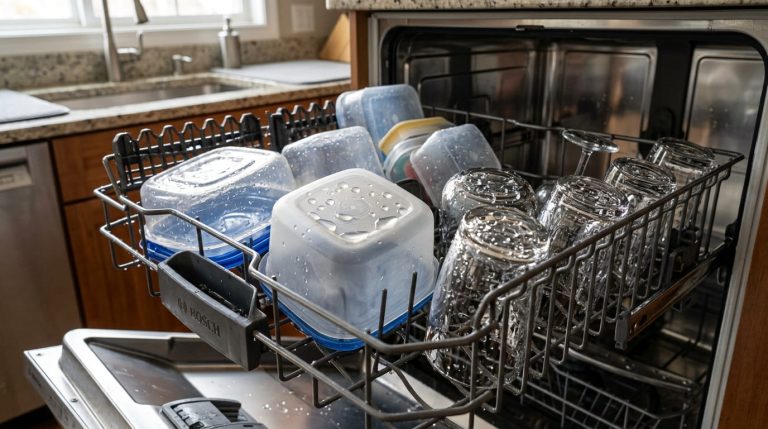
Plastic containers often retain water more than glass or ceramic dishes, but a major change in drying performance deserves attention.
If your dishwasher uses a heated drying system, a failed heating element can significantly reduce drying performance.
3. Your Dishes Still Have Grease or Food Residue
A dishwasher needs adequate water temperature to clean effectively. If the water remains too cold, detergent may not perform as expected, and grease can remain on dishes.
You may notice:
- Greasy plates
- Food particles on bowls
- Cloudy glassware
- Dirty cookware
- Residue around the dishwasher
- Poor cleaning despite using the correct detergent
Before assuming the heating element has failed, check the filter, spray arms, detergent, water supply, and wash cycle. Several problems can cause poor cleaning.
If these areas look normal, a professional can test the heating system.
4. The Dishwasher Takes Longer to Complete a Cycle
A dishwasher may extend its cycle when it struggles to reach the required temperature.
Modern dishwashers use sensors and programmed temperature targets. If the water takes too long to heat, the appliance may spend additional time trying to reach the expected temperature.
A longer cycle does not automatically mean the heating element has failed. A temperature sensor or water supply issue can create similar symptoms.
Still, a noticeable change in cycle duration combined with cold water or poor cleaning provides a strong reason to schedule an inspection.
5. The Dishwasher Produces an Error Code
Some modern dishwashers monitor temperature and heating performance. When the appliance detects an abnormal condition, it may display an error code.
The exact code depends on the manufacturer and model. Bosch, Whirlpool, GE, Samsung, LG, KitchenAid, Frigidaire, and other brands use different diagnostic systems.
If an error code appears, check your owner’s manual for its meaning. Avoid replacing the heating element based only on an error code because several components can trigger heating-related faults.
Professional Dishwasher Heating Element Repair in Tucson can help determine whether the heating element, sensor, wiring, or control board caused the error.
6. The Heating Element Has Visible Damage
You may sometimes see physical damage when you inspect the heating element.
Look for:
- Cracks
- Burn marks
- Blistering
- Corrosion
- Warping
- Broken sections
- Discoloration
Do not touch the heating element while the dishwasher remains connected to power. The component can become extremely hot during operation, and electrical components can create shock hazards.
A technician can safely inspect the element and determine whether it needs replacement.
7. Your Dishwasher Does Not Sanitize Properly
Some dishwashers offer sanitizing cycles that use higher temperatures. If the appliance cannot heat water properly, the cycle may not achieve its intended temperature.
This issue can involve the heating element, temperature sensor, thermostat, control board, or water temperature.
If you regularly use a sanitizing cycle, consistent heating performance matters. A technician can test whether the dishwasher reaches its programmed temperature.
8. The Dishwasher Has a Burning Smell
A burning or electrical smell deserves immediate attention.
A damaged heating element can sometimes create unusual odors, especially when food debris, plastic, or other material comes into contact with a hot element. Electrical wiring problems can also create burning smells.
If you notice a strong burning smell, stop using the dishwasher and disconnect power if you can do so safely. Contact a qualified appliance technician rather than continuing to run the appliance.
9. The Dishwasher Stops Heating Completely
A completely cold dishwasher provides one of the strongest reasons to investigate the heating circuit.
The heating element can fail because of age, electrical problems, physical damage, overheating, or other component failures.
However, the element may not always represent the root cause. The dishwasher also relies on wiring, thermostats, sensors, relays, and the electronic control board.
Professional testing can determine which component actually failed.
Why Does a Dishwasher Heating Element Fail?
Several factors can contribute to heating-element problems.
Normal Wear and Age
Heating elements repeatedly heat and cool during dishwasher cycles. Over time, this repeated temperature change can contribute to component deterioration.
Electrical Problems
Power fluctuations, damaged wiring, loose connections, or faulty electrical components can affect the heating circuit.
Mineral Deposits
Hard water can leave mineral deposits on appliance components. Over time, buildup may affect performance and contribute to component stress.
Physical Damage
Heavy objects, broken dishes, or other items inside the dishwasher can potentially damage components if they make direct contact with the heating element.
Control or Sensor Problems
Sometimes the heating element works correctly but does not receive the proper electrical signal because another component has failed.
How Can You Test a Dishwasher Heating Element?
Testing a heating element requires electrical knowledge and appropriate equipment. A technician can disconnect power, access the element, and test its electrical resistance with a multimeter.
A technician may also inspect:
- Wiring connections
- Thermostat
- Temperature sensor
- Control board
- Heating relay
- Water temperature
- Heating-element condition
Do not rely solely on visual inspection. An element can look normal while still failing electrically.
How Much Does Heating Element Repair Cost?
The cost of heating-element repair depends on the dishwasher brand, model, part availability, labor rates, and whether another component caused the failure.
A heating-element replacement may cost roughly $150 to $350 in many cases, but actual Tucson prices can vary.
| Repair Factor | Potential Impact |
|---|---|
| Heating element | Moderate |
| Thermostat or sensor | Low to moderate |
| Wiring problem | Low to moderate |
| Control board | High |
| Labor | Depends on accessibility |
| Dishwasher brand | Affects parts availability |
A professional inspection can provide a more accurate estimate based on your specific appliance.
Should You Repair or Replace the Dishwasher?
A heating-element failure does not automatically mean you need a new dishwasher.
Repair often makes sense when:
- The dishwasher remains in good condition
- The appliance has no major leaks
- Other components work correctly
- The repair costs significantly less than replacement
- You recently purchased the appliance
Replacement may make more sense when the dishwasher has multiple major problems, requires frequent repairs, or has reached the later part of its expected service life.
Compare the repair estimate with the price of a similar new dishwasher before making your decision.
How to Prevent Heating Element Problems
You cannot prevent every heating-element failure, but regular maintenance can help your dishwasher operate efficiently.
Clean the dishwasher filter regularly to prevent food debris from accumulating. Keep the interior free from objects that could contact the heating element. Use dishwasher-safe detergent and avoid placing plastic items too close to exposed heating components.
If your home has hard water, regular appliance maintenance can also help reduce mineral buildup.
Pay attention to changes in cleaning and drying performance. Early diagnosis can prevent a small problem from becoming a more expensive repair.
When Should You Call a Dishwasher Repair Technician?
Call a professional when your dishwasher stops heating, produces a burning smell, repeatedly shows heating-related error codes, or suddenly stops drying dishes.
Electrical appliance repairs require proper testing and safety precautions. A technician can determine whether the heating element actually failed or whether another component created the symptom.
For homeowners searching for Dishwasher Heating Element Repair in Tucson, professional diagnosis can save time and prevent unnecessary parts replacement.
Why Choose A Plus Appliance Repair in Tucson?
A Plus Appliance Repair helps Tucson homeowners diagnose and repair dishwasher problems. If your dishwasher does not heat water, leaves dishes wet, produces unusual odors, or performs poorly, a professional technician can inspect the appliance and identify the cause.
A proper diagnosis matters because several dishwasher components can produce similar symptoms. Replacing the heating element without confirming the failure can waste money if the actual problem involves the thermostat, sensor, wiring, or control board.
Professional repair can help restore your dishwasher’s cleaning and drying performance while extending its useful life.
Frequently Asked Questions About Dishwasher Heating Elements
1. How do I know if my dishwasher heating element is bad?
Common signs include cold water, wet dishes, poor cleaning, longer cycles, heating-related error codes, visible element damage, and unusual burning smells.
2. Can a dishwasher work without a heating element?
Some dishwashers can still complete a cycle when the heating element fails, but cleaning and drying performance may suffer. Modern dishwashers may use different drying technologies, so the impact varies by model.
3. Why is my dishwasher not heating the water?
A failed heating element can cause this problem, but a faulty thermostat, temperature sensor, wiring connection, control board, or other component can create the same symptom.
4. How much does dishwasher heating element replacement cost in Tucson?
A typical replacement may cost around $150 to $350, but the actual price depends on the dishwasher model, replacement part, labor, and additional repairs.
5. Can I replace a dishwasher heating element myself?
Replacement involves electrical connections and access to internal components. Unless you have the necessary technical knowledge and tools, professional repair provides a safer option.
6. Why are my dishes still wet after the dishwasher finishes?
The cause can involve a failed heating element, condensation-drying design, rinse-aid issues, loading problems, or another dishwasher fault. The model’s drying system determines whether the heating element plays a major role.
7. Does hard water damage dishwasher heating elements?
Hard water can create mineral deposits inside appliances and on components. Regular maintenance and appropriate water treatment can help reduce buildup.
8. How long does a dishwasher heating element last?
The lifespan varies based on usage, water conditions, appliance quality, and maintenance. A heating element can eventually wear out after years of repeated heating cycles.
9. Is a burning smell from a dishwasher dangerous?
A burning or electrical smell can indicate an overheating component, wiring problem, or material contacting the heating element. Stop using the dishwasher and arrange professional inspection.
10. Who can fix a dishwasher heating element in Tucson?
A professional appliance repair company can diagnose heating problems and replace defective components. A Plus Appliance Repair serves Tucson homeowners with dishwasher repair services.
Final Thoughts
A dishwasher heating element can affect both cleaning and drying performance. Cold dishes, wet dishes, poor cleaning, longer cycles, error codes, visible damage, and unusual odors can all indicate a heating-system problem.
However, these symptoms do not always mean the heating element itself has failed. Sensors, thermostats, wiring, control boards, and other components can create similar problems.
If you notice these warning signs, professional Dishwasher Heating Element Repair in Tucson can help identify the exact cause and determine whether repair makes sense. A timely inspection can help protect your appliance, avoid unnecessary part replacements, and keep your dishwasher working efficiently.