Expert microwave repair in Tucson starts with one simple rule. Stop using the appliance the moment you spot a hazard. Microwave sparking is exactly that kind of hazard. Maybe you opened the door and saw small flashes inside. Maybe you noticed crackling light or tiny bolts of electricity jumping near the turntable. That is microwave sparking, and it is not something to wait out. This guide explains why microwave sparking happens, what it means for your safety, what you can check at home, and when to call in professional help.
What Microwave Sparking Actually Looks Like
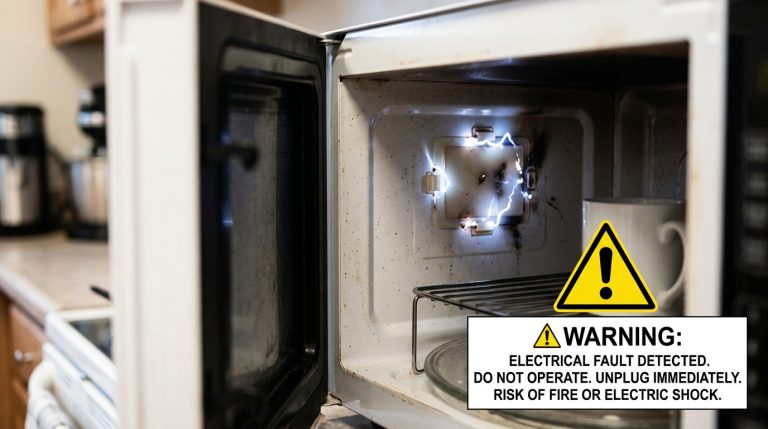
Microwave sparking goes by another name too, microwave arcing. It shows up as small blue or white flashes inside the cavity. In many cases, you might hear popping sounds. You might also catch a faint burning smell while the appliance runs.
The sparking can appear in different spots. For example, look for it in a corner, along the back wall, near the turntable support, or around the door seal. Some homeowners see it last only a second or two per cycle. Others, however, watch it happen every single time the microwave heats something.
Either way, the message is the same. Electricity is arcing somewhere it should not, and that creates a real fire risk inside your kitchen.
Why Microwave Sparking Happens
Several common issues cause a microwave to spark. Most trace back to something interrupting the normal flow of microwave energy inside the cavity.
Metal Inside the Microwave
Metal causes most cases of microwave sparking. A twist tie, a sheet of aluminum foil, metallic trim on a plate, or even a stray fork can reflect microwave energy and create visible arcing. Remove the metal item, and in most cases, the sparking stops right away.
Damaged Mica Sheet
The mica sheet sits on the ceiling or side wall of the cavity. This thin, waffle-patterned panel protects the waveguide, which channels microwave energy into the cooking chamber. Over time, grease and food residue build up on this sheet. Once it scorches or develops holes, it stops doing its job, and as a result, arcing follows.
Chips or Scratches in the Interior Walls
Microwave interiors use a metal shell coated with paint or enamel. Scratches, sharp utensils, or years of wear can chip that coating away. Once the coating chips, the exposed metal underneath creates a path for arcing. This is exactly why manufacturers warn against metal scouring pads.
Faulty Waveguide Cover
A cracked or warped waveguide cover lets grease and moisture reach parts of the microwave that need to stay dry. As a result, that moisture raises the odds of electrical arcing.
Failing Magnetron or High Voltage Components
Sometimes microwave sparking points to a deeper electrical problem. For instance, a failing magnetron, a damaged diode, or a faulty high voltage capacitor can all cause it. These components hold a significant electrical charge even after you unplug the microwave. That is exactly where DIY repair turns genuinely dangerous.
Is Microwave Sparking Dangerous
Yes. Always treat microwave sparking as a safety concern. A healthy microwave never produces visible sparks, arcing, or a burning smell.
Ignore the issue, and it tends to escalate. For example, it can damage the magnetron, warp interior panels, or melt wiring. In more serious cases, it can start a fire. Even so, minor or occasional sparking usually worsens over time rather than resolving itself.
What to Do the Moment You See Sparking
Follow these steps right away if your microwave starts sparking mid-cycle.
- Stop the microwave immediately. Use the stop or cancel button rather than opening the door mid-cycle.
- Unplug the unit from the wall outlet once you can safely reach the cord.
- Do not restart it to see if the sparking continues. Repeated cycles with active arcing raise your risk of fire or component failure.
- Check for the obvious causes. Look for metal utensils, foil, or metallic decorations on dishware, and remove anything you find.
- Inspect the interior for scorch marks, holes in the mica sheet, or chipped paint. Avoid touching any internal wiring or components.
- Leave deeper repairs to a professional. Microwaves store electrical charge in the capacitor, and that charge can cause injury even after you unplug the unit.
Safe DIY Checks You Can Do
Homeowners can reasonably check a few things themselves before calling for help.
- Remove any metal objects from the cavity. Run the microwave briefly with just a cup of water to confirm the metal item caused the sparking.
- Inspect the mica sheet for grease buildup, discoloration, or holes. If it looks worn but intact, try a light cleaning with a damp cloth and mild soap, done with the unit unplugged.
- Check the turntable and support ring for cracks or misalignment. An unevenly seated turntable can sometimes cause contact issues.
- Look at the door seal for gaps, dents, or damage that might let energy escape unevenly.
None of these checks require opening the outer casing. If you find yourself reaching for a screwdriver to get past the housing, stop there and call for microwave repair in Tucson instead.
What Not to Do
Never open the outer casing of a microwave to inspect or replace internal parts on your own. The high voltage capacitor can hold a dangerous electrical charge long after you unplug the unit, and that charge does not simply drain away.
Technicians train specifically to discharge this component safely before working on the appliance. Attempting this without training causes many of the serious shock injuries linked to home appliance repair.
When to Call a Professional
A few signs mean it is time to bring in help. For instance, the sparking continues after you remove metal objects. Or you notice scorch marks or a persistent burning smell. Alternatively, the microwave is more than a few years old and this problem is new.
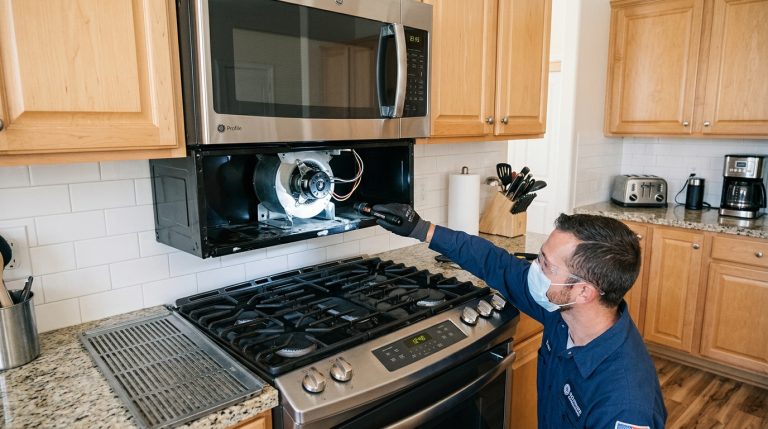
In any of these cases, call expert microwave repair in Tucson. A qualified technician can safely discharge the capacitor, inspect the magnetron and waveguide, and replace a damaged mica sheet or waveguide cover. They will confirm the unit is safe to use again, or tell you honestly if replacement makes more financial sense than repair.
A Plus Appliance Repair handles microwave sparking issues across Tucson, from built-in models to countertop and over-the-range units. Technicians arrive with the parts and tools needed to diagnose the exact cause. They follow manufacturer safety guidelines on every repair.
Typical Cost of Fixing a Sparking Microwave
Repair costs for microwave sparking vary by cause. Mica sheet replacement is usually one of the more affordable fixes. Magnetron replacement or high voltage component repair costs more, and in some cases approaches a meaningful fraction of a new microwave’s price.
A technician offering reliable microwave repair in Tucson should walk you through the diagnosis first. Ask for a clear estimate before any work starts, so you can decide whether repair or replacement fits your situation better.
How to Prevent Microwave Sparking
A few habits go a long way toward keeping microwave sparking from happening in the first place.
- Keep metal, including twist ties and metallic trimmed dishware, out of the microwave entirely.
- Wipe down the interior regularly, especially the mica sheet, to stop grease buildup from scorching.
- Avoid metal scouring pads or abrasive cleaners on the interior walls.
- Address small chips or scratches in the interior coating early.
- Replace the mica sheet as soon as it looks worn. It is an inexpensive part compared to the damage a failing one can cause.
Final Thoughts
Microwave sparking signals that something inside your appliance is not working right. Most of the time, the fix is straightforward. Maybe you remove a stray piece of foil. Maybe you replace a worn mica sheet.
But microwaves store electrical charge, so leave any repair beyond a simple visual check to a trained technician. If your microwave keeps sparking and the problem will not go away on its own, reach out for trusted microwave repair in Tucson rather than risking further damage or injury.
Frequently Asked Questions
Is it safe to use a microwave that sparks occasionally?
No. Occasional sparking still means arcing is happening inside the cavity. Continued use can worsen the damage or raise your fire risk over time. Stop using it and identify the cause.
Can a microwave catch fire from sparking?
Yes. Repeated or prolonged sparking can ignite grease residue, damage wiring insulation, or overheat internal components enough to start a fire, especially if you leave the unit running unattended.
Why does my microwave spark only when I heat certain foods?
This often happens with foods in containers that have metallic decoration, foil lids, or leftover twist ties. Dense foods can also cause uneven energy distribution near a damaged mica sheet.
Will removing the metal item stop the sparking for good?
If metal caused the sparking, yes, it typically stops once you remove the item. If sparking continues afterward, suspect a worn mica sheet, chipped interior coating, or a component issue.
How much does it cost to replace a microwave mica sheet?
Mica sheet replacement usually ranks among the more affordable microwave repairs. Exact pricing depends on the model and local labor rates. A technician can give you an accurate quote after inspection.
Is it worth repairing a sparking microwave or should I replace it?
That depends on the microwave’s age and the cause of the sparking. A worn mica sheet is usually worth repairing. A failing magnetron on an older unit may cost close to the price of a new microwave, which makes replacement the more practical choice.
Can I clean the mica sheet myself to stop the sparking?
Yes. With the microwave unplugged, gently wipe the mica sheet with a damp cloth and mild soap if buildup caused the problem. If the sheet has holes or burn marks, cleaning will not fix it, and you will need a replacement.
How long can I wait before calling a repair technician?
Do not wait. Stop using the microwave and call for repair as soon as sparking appears. Continued use raises your risk of more expensive damage or a safety incident.
Does microwave sparking mean the magnetron is broken?
Not always. Metal, a damaged mica sheet, or chipped interior paint cause sparking more often than not. A failing magnetron is possible, but a technician can only confirm it after inspecting the unit.
Is it dangerous to open the microwave and look inside after sparking?
Looking inside the cavity with the unit unplugged and the door open is generally safe. The danger comes from opening the outer casing to access internal components. Leave that step to a trained technician, since the high voltage capacitor stores a dangerous charge.