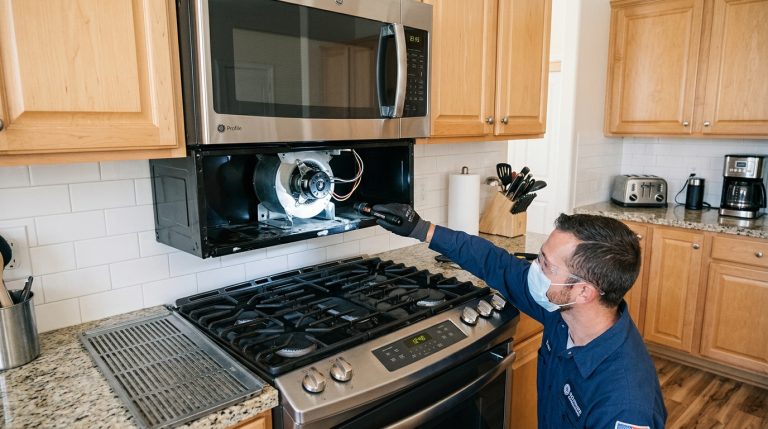
Experienced microwave repair in Tucson solves one of the most confusing appliance complaints out there. The microwave turns on, hums, and spins the turntable normally, yet the food comes out cold. If microwave not heating has left you reheating leftovers on the stove instead, this guide breaks down the most likely causes, what you can check safely, and when the problem calls for a professional repair.
Why This Problem Is So Confusing
Most appliance failures come with obvious warning signs. Strange noises, a dead display, a smell of burning. A microwave that runs but does not heat often looks completely normal from the outside. The display works. The turntable spins. The timer counts down, and the light even switches on.
But the food comes out exactly as cold as it went in. That gap between “the microwave is running” and “the microwave is heating” points to a specific set of internal components, not a settings mistake.
Common Causes of a Microwave Not Heating
Failed Magnetron
The magnetron generates the microwave energy that cooks food. When it fails, everything else keeps working perfectly, since the display, motor, and light run on separate circuits. Heating stops completely. Magnetron failure is a common cause behind this exact symptom, and it typically happens due to age or a related electrical fault.
Bad High Voltage Diode
The diode works alongside the magnetron and capacitor to convert electrical current into the form needed for microwave energy. As a result, a failed diode can stop heating entirely. In some cases, units make a distinct buzzing or arcing sound as the microwave tries to run without the proper power conversion happening.
Failed High Voltage Capacitor
The capacitor stores and releases the electrical charge that powers the magnetron. If it fails, the magnetron never gets the voltage it needs to generate heat, even though the rest of the microwave’s electrical system runs normally. This component also carries a dangerous stored charge, which matters for safety later in this guide.
Faulty Door Switches
Interlock switches built into the door frame must trigger correctly before the high voltage circuit, including the magnetron, can activate. A misaligned or worn switch can let the microwave power on and run its timer while never actually sending power to the heating components. The safety interlock simply never gets satisfied.
Control Board Failure
Models with electronic controls can develop a fault on the control board. As a result, this can prevent it from signaling the high voltage transformer to activate, even though every other function on the display appears normal.
Blown Thermal Fuse
The thermal fuse is a safety component that cuts power to the magnetron if the unit overheats. Once blown, it often stops heating while leaving other functions untouched. In this case, replace it rather than trying to reset it.
Safe DIY Checks You Can Do
A few checks help rule out simpler explanations before you assume a major part has failed.
- Run the water test. Place a microwave-safe cup of water inside and run it for a minute. Cold water means heating has genuinely failed, ruling out an issue with the specific food or container.
- Confirm the door is closing and latching fully. A door that does not seat properly can trigger the same symptom through the safety interlock system.
- Check for an accidental “demo” or “sound only” mode. Some newer smart microwave models include this feature, and it disables heating intentionally.
- Test a different power outlet if possible, to rule out an underpowered circuit, though this is a less common cause.
- Listen for unusual buzzing or humming during operation. This can point toward the diode or capacitor rather than the magnetron.
What Not to Do
Never open the outer casing to inspect or test the magnetron, diode, or capacitor yourself. The high voltage capacitor retains a dangerous electrical charge even after the microwave sits unplugged for an extended period. Testing these components safely requires proper discharge tools and training. This is one of the clearest cases where DIY repair crosses from inconvenient into genuinely risky.
When to Call a Professional
Confirmed cold water from the test, and a door that closes properly? In that case, the cause is almost certainly the magnetron, diode, capacitor, door switches, or control board. All of these require diagnostic testing to identify correctly. This is where reliable microwave repair in Tucson becomes the practical choice, since a misdiagnosis means paying for a part that was never the problem.
A Plus Appliance Repair diagnoses microwave heating failures across Tucson using proper testing procedures for the magnetron, diode, capacitor, and door switch assembly. That way, the actual cause gets identified and fixed rather than guessed at.
Typical Cost of Fixing a Microwave That Won’t Heat
Costs vary significantly depending on which component has failed. On the more affordable end, door switch and thermal fuse repairs are the cheaper fixes. Magnetron replacement, on the other hand, costs more due to the part itself, and on older units it sometimes reaches a point where replacing the microwave makes more financial sense than repairing it.
A technician offering microwave not heating diagnosis should walk you through the likely cause and cost before committing to a repair.
Magnetron vs Diode vs Capacitor, How a Technician Tells Them Apart
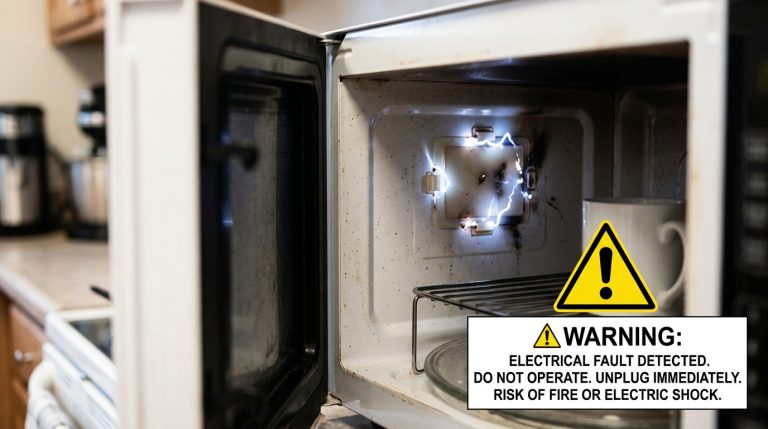
Homeowners often ask how a technician tells which of these three components is actually responsible once the water test confirms heating has failed. The process starts with a visual inspection for signs of arcing or burn marks near the high voltage section. A failed diode or capacitor sometimes leaves visible scorching.
From there, a technician safely discharges the capacitor. They use a multimeter to test each component’s resistance and continuity against the manufacturer’s expected specifications. A magnetron that reads far outside its normal resistance range points to magnetron failure specifically. A capacitor that fails to hold or release charge correctly points elsewhere.
This testing sequence explains why guessing at parts without proper equipment tends to waste money. Two of these three components can produce nearly identical symptoms from the outside while requiring completely different repairs.
How to Prevent Heating Failures
Avoid running the microwave empty, since this puts extra strain on the magnetron with nothing to absorb the generated energy. Keep the door hinges and latch mechanism clean and free of food debris to prevent premature switch wear.
Address any grinding, arcing, or unusual sounds early rather than continuing to use the unit. Ignoring early warning signs often leads to a bigger repair down the line. Have the unit serviced periodically too, if it sees heavy daily use in a busy household.
Final Thoughts
A microwave not heating despite otherwise running normally is one of the more common repair calls. The cause almost always comes down to the magnetron, diode, capacitor, or door switch assembly. Since testing these safely requires discharging stored electrical charge, leave this repair to a trained technician. If the water test confirms your microwave has stopped heating, reach out for experienced microwave repair in Tucson to get an accurate diagnosis and a working microwave again.
Frequently Asked Questions
Why does my microwave run but not heat the food?
This almost always points to a failed magnetron, diode, or capacitor, the components responsible for generating microwave energy, while the display, motor, and light continue running on separate circuits.
How can I test if my microwave has actually stopped heating?
Run a microwave-safe cup of water for about a minute. Cold or barely warm water means heating has failed, and the issue is not related to the specific food you tried to cook.
Is a magnetron failure expensive to fix?
Magnetron replacement tends to be one of the pricier microwave repairs due to the cost of the part. On older units, it can approach the price of a new microwave, which is worth discussing with a technician.
Can a bad door switch really stop the microwave from heating?
Yes. The door interlock switches must trigger correctly before the high voltage circuit activates. A worn or misaligned switch can let the microwave run its timer while never actually powering the magnetron.
Is it dangerous to keep using a microwave that isn’t heating?
It is not dangerous the way sparking or arcing is, but continuing to use a unit with a failing component can sometimes lead to further electrical issues, so have it diagnosed regardless.
Can I replace the magnetron myself?
This is not recommended. Reaching the magnetron requires accessing the high voltage capacitor, which retains a dangerous charge, making this a repair best left to a trained technician.
Why does my microwave buzz loudly but still not heat?
A loud buzzing sound during operation often points to the diode or capacitor struggling to convert power correctly, rather than a magnetron that has failed outright.
Does a blown thermal fuse mean the microwave overheated?
Yes. The thermal fuse cuts power specifically to prevent overheating damage, so a blown fuse usually means the unit ran hotter than intended at some point.
How long do magnetrons usually last?
Magnetrons typically last several years of normal household use. Heavy daily use, running the microwave empty, or age can shorten that lifespan.
Should I repair or replace a microwave that has stopped heating?
This depends on the unit’s age and which part failed. A door switch or thermal fuse repair is usually worth it. A magnetron failure on an older microwave may be better addressed by replacing the unit.