You press your glass against the lever, and nothing happens. Or maybe the water comes out in a slow, sad trickle. When your fridge water dispenser not working becomes a daily problem, it’s more than a small annoyance. However, the good news is that many causes are simple, and some you can fix yourself in a few minutes.
In this guide, we’ll walk through the most common reasons a dispenser stops working, what you can check at home, and when it’s time to call a technician. We’ll also look at a few issues that are more common in Tucson homes because of our hard water.
First, Figure Out What Kind of Problem You Have
Before you start checking parts, notice how the dispenser is acting. This small step points you in the right direction.
No water at all: Often a frozen line, a closed valve, a locked control panel, or a failed part.
Slow or weak flow: Usually a clogged filter, low water pressure, or a kinked line.
Ice maker works, but water doesn’t: This often points to a frozen water line in the door or a problem with the dispenser side of the water valve.
Water tastes odd or spurts: Often air in the lines or an old filter.
Keep your answer in mind as you go through the causes below.
1. The Water Line in the Door Is Frozen
This is one of the most common reasons for a fridge water dispenser not working, especially on French door and side-by-side models. On many of these fridges, the water line runs through or near the freezer door. So if the freezer runs too cold, the water inside that line can freeze.
How to check: Look at your freezer setting. Most food safety guidance recommends keeping the freezer at 0°F and the fridge at 40°F or below. If your freezer is set much colder than 0°F, it may be freezing the line.
What to do: First, adjust the freezer to the recommended setting. Then thaw the line. One option is to unplug the fridge for a few hours with the doors closed. Another is to use a hair dryer on a low setting near the dispenser area, keeping it moving and away from water. Never use a sharp object to chip at ice, since you can puncture the line.
If the line keeps freezing again and again, the real cause may be a worn door seal, a faulty damper, or a control issue. At that point, a technician should take a look.
2. The Water Filter Is Clogged or Old
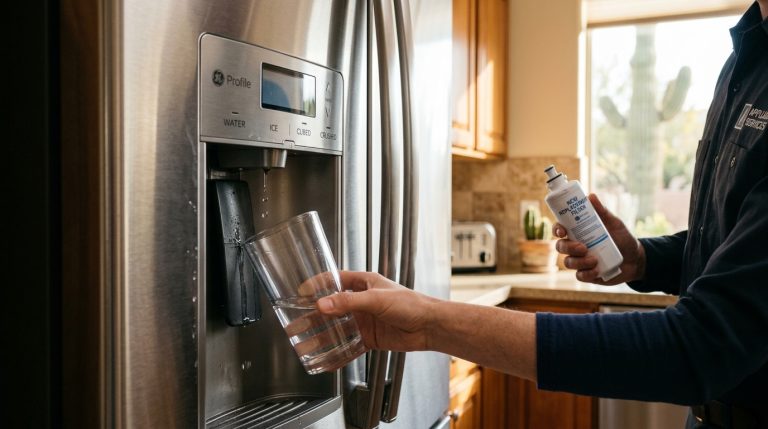
A clogged filter is the top reason for a slow dispenser. Over time, the filter traps sediment and minerals, and water has a harder time getting through. As a result, flow slows down until it barely drips.
Tucson’s hard water can make this happen faster. Our water carries a lot of calcium and magnesium, so filters can load up quicker than the label suggests.
What to do: Check when you last changed the filter. Many manufacturers suggest replacing it about every six months, but your manual has the exact interval. Also, make sure the filter is the correct model and fully locked into place. A filter that isn’t seated properly can block water completely.
Quick test: Some refrigerators can run with a bypass plug in place of the filter. If your model allows it and the flow improves with the bypass, the filter was the problem. Check your manual first, because not every fridge supports this.
3. Air Is Trapped in the Water Line
After you change the filter or move the fridge, air can get trapped inside the lines. Because of that, you may hear sputtering, see water spurting, or get very little water at all.
What to do: Hold down the dispenser lever and run water into a large container for a few minutes. Many manufacturers recommend flushing a few gallons through a new filter. This pushes out the air and any loose carbon dust from the filter.
4. Low Household Water Pressure
Your refrigerator needs a certain amount of water pressure to work well. Many manufacturers list a minimum somewhere around 20 to 40 psi, so check your owner’s manual for your model. When pressure drops below that, you’ll likely end up with a slow dispenser.
How to check: Look at other faucets in your home. If they’re weak too, the problem is your home’s water pressure, not the fridge.
A Tucson tip: Many homes here run the fridge water line from a reverse osmosis system under the kitchen sink. RO systems often deliver lower pressure than a direct line, which can lead to slow flow at the fridge. Low pressure in the RO tank can make it worse. If you have an RO system connected, it’s worth checking.
5. The Water Supply Line Is Kinked or Blocked
The thin water line behind your refrigerator can bend or kink when the fridge is pushed back against the wall. Similarly, the shutoff valve that feeds it may be partly closed.
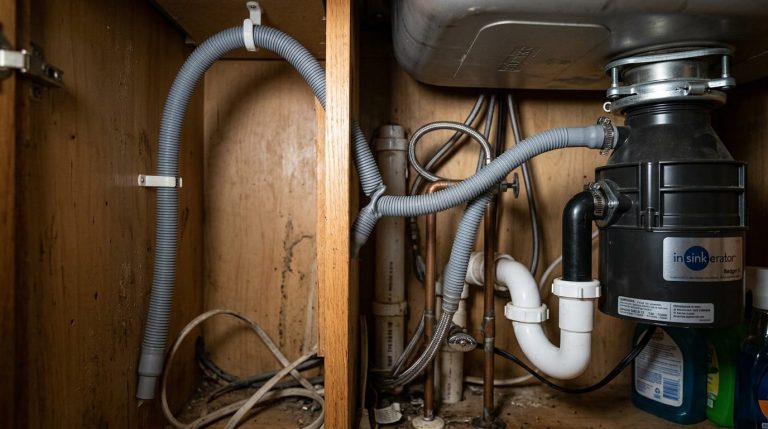
What to do: Pull the fridge out carefully and look at the line. Straighten any kinks, and make sure the shutoff valve is fully open. Also, if your home uses an older saddle valve, those can clog with minerals over time. In that case, having a refrigerator water line blocked by scale is a real possibility in a hard water city like Tucson.
6. The Control Lock Is On
This one surprises a lot of people. Many modern fridges have a control lock or child lock that turns off the dispenser buttons. If the lock is on, pressing the lever does nothing.
What to do: Look for a lock icon on the control panel. On most models, you press and hold the lock button for a few seconds to turn it off. Your manual will show the exact steps.
7. The Water Inlet Valve Has Failed
The water inlet valve sits at the back of the fridge, near the bottom. It opens to let water in when you press the dispenser or when the ice maker fills. On many models, the valve has separate sides for the ice maker and the dispenser. That’s why one can stop working while the other still works.
Hard water can also clog the small screen inside the valve. Meanwhile, the electrical part of the valve can simply wear out with age.
What to do: Testing this valve means working with electrical parts and water connections, so we recommend having a technician check it. A failed valve is a common repair and usually a straightforward replacement.
8. The Dispenser Switch or Door Switch Isn’t Working
When you press the lever, it pushes a small switch that tells the fridge to send water. If that switch breaks, nothing happens. Additionally, some models won’t dispense water if the fridge thinks the door is open, so a faulty door switch can cause the same problem.
What to do: Listen when you press the lever. If you hear a click or hum but no water flows, the switch may be fine and the problem is elsewhere. If you hear nothing at all, the switch or the control board may be at fault. Both are best handled by a technician.
9. The Control Board Has an Issue
On newer refrigerators, a control board manages the dispenser. When it fails, the dispenser may stop working completely, even if every other part is fine. This usually shows up after other causes have been ruled out.
What to do: This is a job for a professional. A technician can test the board and confirm whether it needs repair or replacement.
Quick Checklist Before You Call
Before booking a repair, run through these simple checks:
- Make sure the control lock is off.
- Confirm the freezer is near 0°F and not set colder.
- Replace the filter if it’s six months old or more.
- Flush a few gallons of water through the dispenser.
- Check that the supply line isn’t kinked and the valve is fully open.
- See whether other faucets in your home have good pressure.
If your fridge water dispenser is still not working after these checks, the problem is likely a part inside the fridge.
When to Call a Professional
Some fixes are easy. Others involve electrical parts, water connections, or the sealed parts of the fridge. You should call a technician if:
- The water line freezes again after you thaw it.
- You hear a click or hum, but no water comes out.
- The ice maker and dispenser both stop working.
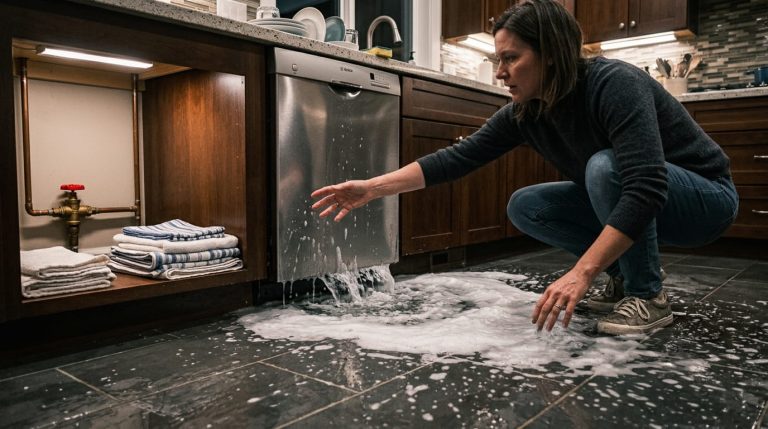
- You see water leaking under or behind the fridge.
- The dispenser works on and off with no clear pattern.
- You’ve tried the checklist and nothing helped.
Working on water and electrical parts together carries real risk. For that reason, it’s safer to let a trained technician handle it.
How Tucson’s Hard Water Affects Your Fridge
Tucson’s water is hard, and that can cause extra wear on your refrigerator. Minerals build up in filters, inlet valve screens, and supply lines. Over time, this leads to a slow dispenser, weak ice production, and parts that wear out sooner.
To help prevent this, change your filter on schedule, check the supply line now and then, and think about whole home water treatment if your water leaves heavy white spots on fixtures. These small habits can help your fridge last longer.
Still dealing with a dispenser that won’t work? Our team at A Plus Appliance Repair can find the cause and fix it fast. Schedule certified refrigerator repair in Tucson and get your water flowing again.
Frequently Asked Questions
1. Why is my fridge water dispenser not working but the ice maker is?
This often means the water line in the door is frozen. It can also mean the dispenser side of the water inlet valve has failed, since many valves have separate parts for ice and water.
2. Why is my refrigerator water dispenser so slow?
A clogged filter is the most common cause. Low household water pressure, a kinked supply line, or a reverse osmosis system feeding the fridge can also slow the flow.
3. How do I unfreeze my refrigerator water line?
You can unplug the fridge for a few hours with the doors closed, or gently warm the dispenser area with a hair dryer on low. Afterward, set the freezer to about 0°F so it doesn’t refreeze.
4. How often should I change my refrigerator water filter?
Many manufacturers suggest every six months. However, Tucson’s hard water can clog filters faster, so replace it sooner if flow slows down.
5. Can a new water filter stop the dispenser from working?
Yes. If the filter isn’t fully locked in place or isn’t the right model, it can block water. Also, air trapped after a filter change can slow flow until you flush a few gallons.
6. What is the control lock on a refrigerator?
It’s a setting that turns off the dispenser and control buttons. On most models, you press and hold the lock button for a few seconds to turn it off.
7. What water pressure does a refrigerator need?
It varies by model. Many manufacturers list a minimum around 20 to 40 psi, so check your owner’s manual for your exact requirement.
8. Can hard water block my refrigerator water line?
Yes. Minerals can build up in the filter, the inlet valve screen, and older shutoff valves. This is more common in hard water areas like Tucson.
9. How much does it cost to fix a fridge water dispenser?
The cost depends on the cause. A new filter is inexpensive, while replacing an inlet valve or control board costs more. A technician can give you an exact quote after checking the fridge.
10. When should I call a technician for my dispenser?
Call a technician if the line keeps freezing, you hear the valve click but get no water, you see leaks, or basic checks like the filter and control lock don’t fix the problem.