Tucson does not get a light dusting. Between the spring winds and the haboobs that roll in ahead of monsoon storms, homes across the Catalina Foothills, Midvale Park and Rita Ranch take on a fine grit that settles into every gap in the house, including the back of your refrigerator and the guts of your dryer. Over time, this dust can restrict airflow, coat critical components, and make appliances work harder than they should. That is why regular dust appliance maintenance is an important part of keeping your appliances running efficiently in Tucson.
The good news is that most of that damage is preventable with an hour of work, twice a year. This guide covers what dust actually does to your machines, how condenser coil cleaning works, which vents matter most, and where the line sits between a weekend appliance maintenance job and a call to professional appliance repair in Tucson.
Why Dust Is a Mechanical Problem, Not a Cosmetic One
Dust appliance maintenance gets skipped because dust looks harmless. It isn’t. Nearly every major appliance in your house sheds heat to survive, and heat only leaves through clean metal and moving air.
When dust coats a condenser coil, it acts as insulation. The compressor cannot dump heat, so it runs longer and hotter to hit the same temperature. Longer run cycles mean more wear, higher power bills and a shorter compressor life. When lint and dust choke a dryer vent, the same logic applies with an added fire risk.
Three failures we see constantly in Tucson homes:
- Refrigerators that “run all the time” and never quite get cold, especially in July
- Dryers that need two or three cycles to finish a normal load
- Dishwashers and washers with clogged intake screens from grit in the water line
None of these start as broken parts. They start as dirty ones.
Condenser Coil Cleaning, Step by Step
Condenser coil cleaning is the highest value job on this list. On most refrigerators the coils sit either behind a kick plate at the bottom front or on the rear panel. In desert conditions, plan on doing this every four to six months instead of the once a year interval the manual suggests.
What you need: a coil brush, a vacuum with a crevice tool, a flashlight, and a screwdriver.
- Unplug the refrigerator. Not the breaker, the plug. Do not skip this.
- Find the coils. Pop the front kick plate off, or pull the unit forward and remove the rear access panel.
- Vacuum the loose layer first. Grit pulled through a brush will scratch fins and bend them flat.
- Brush along the fins, never across them. Bent fins block airflow permanently.
- Clean the condenser fan blade. A dust-loaded blade wobbles, and a wobbling blade kills its motor.
- Vacuum the floor underneath before pushing the unit back, or you will re-inhale the same dust in a week.
- Leave clearance. Two to three inches behind the unit, minimum.
That routine, done twice a year, is the difference between an eight-year refrigerator and a fifteen-year one. Proper dust appliance maintenance is genuinely the cheapest repair you will ever perform.
Coil cleaning on other appliances
The same principle applies well beyond the fridge:
- Freezers and beverage coolers in garages take the worst of it: garage dust plus 115°F ambient heat.
- Window and portable AC units have condenser coils that need the same brushing.
- Ice makers have small condensers that clog fast and quietly.
Vents: The Second Half of the Job
Coils handle heat. Vents handle air. Both need to be clear.
Dryer vents. Pull the duct off the back of the dryer once a year and clear the whole run to the exterior hood. Check that the outside flap actually opens. Tucson dust and bird nests block them regularly. A restricted vent doubles drying time and is the leading cause of dryer fires.
Refrigerator air vents. Inside the box, the vents between freezer and fresh food compartments must stay unblocked by food containers. Blocked vents cause the classic “freezer fine, fridge warm” complaint.
Range hood filters. Grease plus dust equals a paste that blocks airflow entirely. Soak the mesh filters in hot water and degreaser every couple of months.
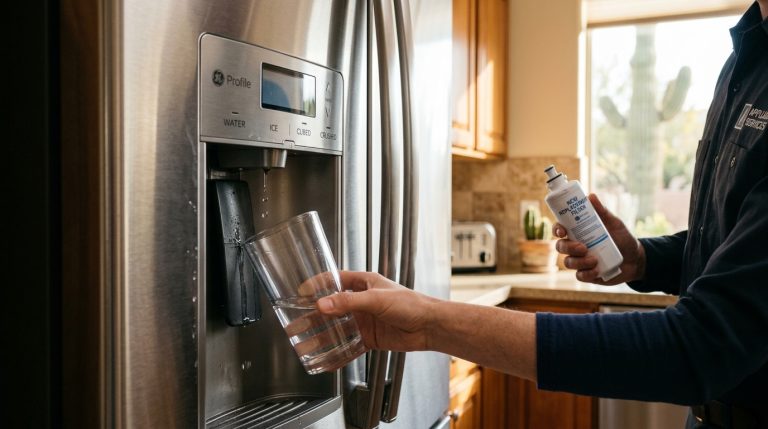
Dishwasher and washer inlet screens. Grit in municipal lines settles into the inlet valve screens. Shut off the supply, disconnect the hose, and rinse the screen.
A Realistic Tucson Maintenance Calendar
Timing matters more here than in milder climates. Build the schedule around the weather, not the calendar year.
| When | Task |
|---|---|
| February-March (pre-wind season) | Condenser coil cleaning on fridge and freezer; check door seals |
| May (pre-heat) | Clear dryer vent; clean range hood filters; vacuum behind all units |
| July-August (monsoon) | Check exterior vent hoods for debris after storms; inspect garage appliances |
| October (post-monsoon) | Second full condenser coil cleaning; clean washer inlet screens |
Households with pets, tile floors and open windows should run that schedule more aggressively. Pet hair binds dust into mats that a vacuum alone will not lift.
When to Stop and Call a Technician
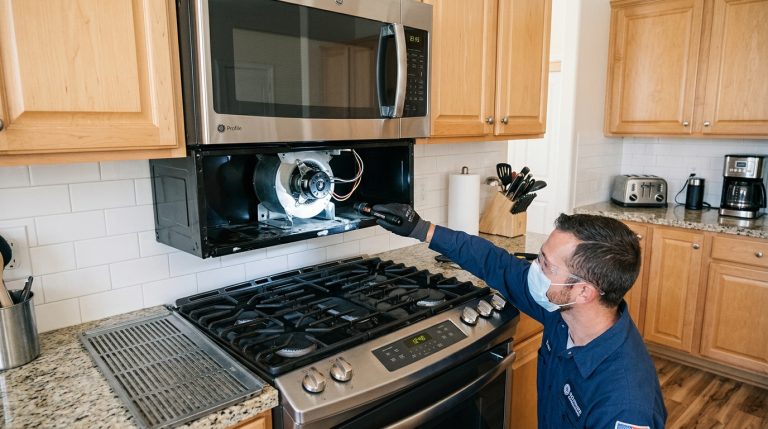
Cleaning is homeowner work. Diagnosis usually is not. Call for professional appliance repair in Tucson when you see any of the following:
- The refrigerator still runs constantly after a thorough coil cleaning
- The condenser fan does not spin, or grinds and rattles
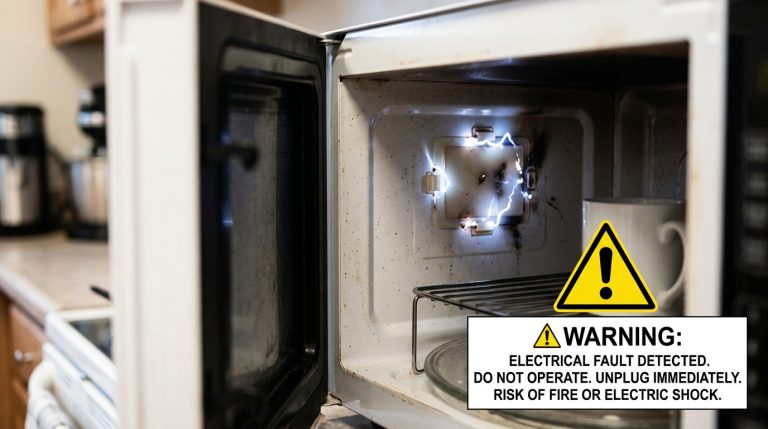
- Burning smells from any appliance, especially a dryer
- Frost building on the back wall of the fresh food compartment
- A dryer that runs hot but the drum does not tumble
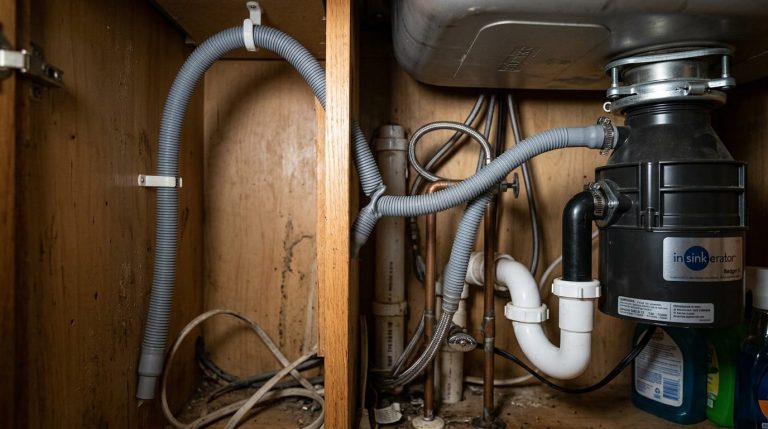
- Water pooling under the unit
Those symptoms point to a failed relay, a bad fan motor, a sealed system leak or a thermostat problem: parts diagnosis that needs a meter and experience. Attempting sealed system work without EPA certification is also illegal.
An experienced technician will typically perform condenser coil cleaning as part of the visit anyway, then test the electrical values that tell you whether the compressor is genuinely failing or just overworked.
Book a Techician for the fast and hassle-free service.
The Cost Math
A can of coil brush and an hour of your time runs about $20. A compressor replacement on a modern refrigerator runs several hundred dollars and often pushes the unit into replace not repair territory. A dryer vent fire costs immeasurably more.
Consistent dust appliance maintenance is the rare home task where the return is obvious and immediate: lower power bills within one billing cycle, quieter operation, and appliances that reach the age they were designed to reach.
Frequently Asked Questions
How often should condenser coils be cleaned in Tucson?
Every four to six months. Standard manufacturer guidance of once a year assumes an average dust load, and Tucson’s is far above average, especially during spring winds and monsoon season.
Can dirty condenser coils actually stop a refrigerator from cooling?
Yes. Heavily coated coils trap heat around the compressor, which triggers the overload protector and shuts the compressor down. The fridge warms up, then restarts and repeats the cycle until the compressor fails permanently.
Is dust appliance maintenance something I can do myself?
Cleaning, yes. Vacuuming coils, clearing dryer vents and rinsing inlet screens are safe homeowner tasks as long as you unplug the appliance first. Anything involving refrigerant, wiring or a control board should go to a licensed technician.
How do I know if my dryer vent is blocked?
Clothes take more than one cycle to dry, the dryer’s exterior feels unusually hot, or the outside vent flap barely moves while the dryer runs. Any of those signs means the duct needs clearing immediately.
Does dust void my appliance warranty?
It can. Most manufacturers exclude damage caused by lack of maintenance. Documented dust appliance maintenance, dated receipts or service records, protects a warranty claim if a compressor or motor fails.
What does professional appliance repair in Tucson cost for a maintenance visit?
Most companies charge a flat diagnostic or service call fee that covers travel and inspection, with cleaning and any repairs quoted separately. Ask what the fee includes and whether it applies toward the repair before booking.
Get Ahead of Dust Season
Dust is the one variable in Tucson you cannot control, but it is entirely manageable. Two condenser coil cleanings a year, a clear dryer vent and unblocked interior vents will keep your appliances running through the hottest months without drama.
If something is already running long, cooling poorly or making noise it did not make last summer, do not wait for it to fail in August. Schedule professional appliance repair in Tucson and get it diagnosed while it is still a repair instead of a replacement.