Small or hollow cubes usually mean one of two things: the ice maker isn’t getting enough water, or the cubes are being released before they freeze solid. Common causes include:
- A clogged water filter
- Low water pressure
- A partly closed or kinked supply line
- A water inlet valve clogged with minerals
- A partly frozen fill tube
- A freezer that’s running too warm
Your ice maker still works, but the cubes are tiny, thin, or shaped like hollow shells. Small or hollow cubes are an early warning. They usually point to a water supply or temperature problem that can eventually stop ice production completely.
This guide explains what causes the problem, how to narrow it down, and when to call dependable fridge repair in Tucson.
What Normal Cubes Look Like
Most refrigerator ice makers produce crescent-shaped or rectangular cubes of fairly even size. Small differences between batches are normal.
Warning signs include cubes that are consistently much smaller than usual, thin slivers, or cubes with a hollow center or missing chunk. Cubes stuck together in clumps are another warning sign.
Small Cubes vs. Hollow Cubes: What’s the Difference?
Small cubes usually mean less water is entering the mold each cycle. The ice maker opens the water valve for a set time, so anything that reduces water flow during that window produces smaller cubes.
Hollow cubes usually mean the cubes were released before they froze all the way through. The outer shell freezes first, and if the cube is ejected too early, the unfrozen center spills out. Low water fill can cause hollow cubes too.
Because the two symptoms share causes, it helps to check everything below.
Common Causes of Small or Hollow Cubes
1. Clogged Water Filter
A clogged filter is the most common cause of small or hollow cubes. As the filter collects sediment and minerals, water flow drops. Many manufacturers recommend replacing the filter about every six months, or as the manual specifies.
Tucson’s hard water can clog filters faster. See how hard water causes appliance problems in Tucson.
2. Low Water Pressure
Every refrigerator has a minimum water pressure listed in its manual. Pressure below that level means a short, weak fill. Reverse osmosis systems often reduce pressure to the refrigerator, and running other fixtures at the same time can make it worse.
3. Partly Closed Valve or Clogged Saddle Valve
The shutoff valve feeding the refrigerator may not be fully open. Some installations use self-piercing saddle valves, which can clog over time, and some manufacturers advise against using them.
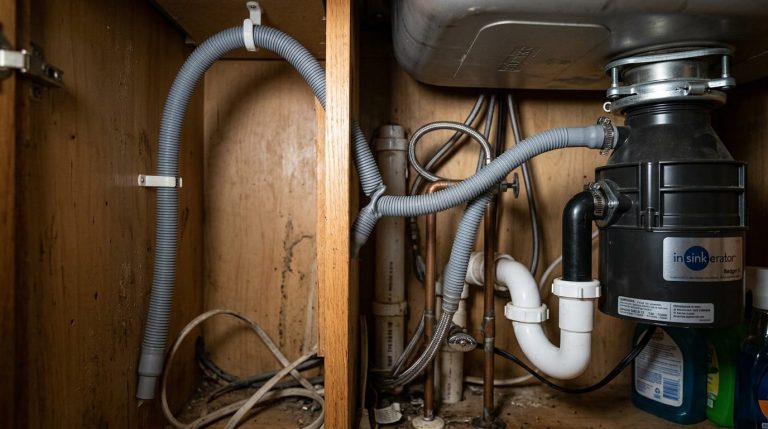
4. Kinked Supply Line
When a refrigerator is pushed back against the wall, the water line behind it can kink and reduce flow. Pull the unit out carefully and straighten the line.
5. Failing Water Inlet Valve
Minerals can build up on the inlet valve’s screen, or the valve can weaken and stop opening fully. Either way, less water reaches the ice maker. A technician can test the valve and check the flow.
6. Partly Frozen Fill Tube
A partial ice plug in the fill tube narrows the path, so less water gets into the mold. If it isn’t fixed, the tube can freeze shut completely.
7. Freezer Running Too Warm
If the freezer is warmer than 0°F, cubes take longer to freeze and may be released before they’re solid. Dirty coils, fan failures, and defrost problems are common causes. See Refrigerator Running but Not Cooling.
8. Ice Maker Control Problems
A failing ice maker sensor or control can release cubes too early or shorten the fill time. Some older ice makers have a fill-level adjustment. Only adjust it as your manual directs, because overfilling causes spills and frozen clumps.
A Quick Diagnostic Test
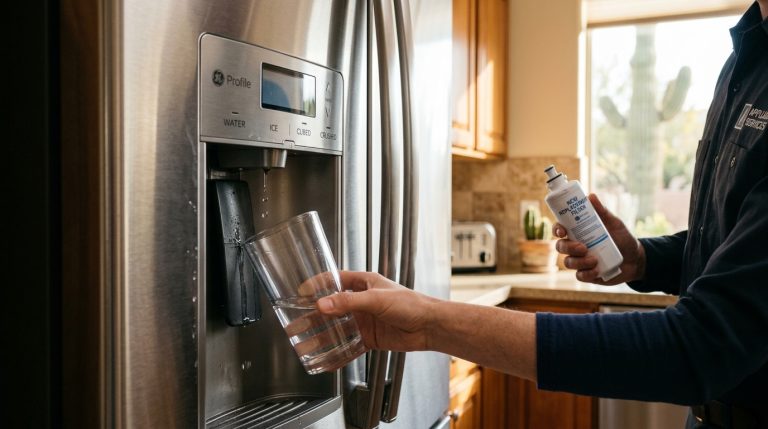
Try your door water dispenser.
- Weak flow at the dispenser: the problem is likely shared, such as a clogged filter, low pressure, or a kinked line.
- Strong dispenser flow but small or hollow cubes: the problem is more likely the fill tube, the ice maker side of the inlet valve (many valves have separate outlets for the dispenser and the ice maker), freezer temperature, or the ice maker itself.
This quick test is one of the first steps dependable fridge repair in Tucson technicians use.
Step-by-Step Fixes
- Replace the water filter if it’s due, and flush it as your manual directs.
- Make sure the water shutoff valve is fully open.
- Straighten any kinks in the supply line behind the refrigerator.
- Check that the freezer is at 0°F with an appliance thermometer.
- Look for ice in the fill tube.
- Throw out the clumped ice so the bin and sensor work freely.
- Wait 24 hours and compare the new cubes.
Why You Shouldn’t Ignore Small or Hollow Cubes
Hollow cubes can leak water into the bin, where it freezes into clumps that jam the dispenser. A water supply problem that gets worse, such as a fill tube that freezes shut, will eventually leave you with an ice maker not making ice. A weakening inlet valve can also start dripping, which can lead to a refrigerator leaking water on the floor.
Catching it early with dependable fridge repair in Tucson usually means a simpler, less expensive fix.
When to Call Dependable Fridge Repair in Tucson
Call a technician if:
- A new filter and a fully open valve don’t fix the cube size.
- The fill tube keeps freezing.
- The freezer runs warm.
Our technicians test water pressure, inlet valve operation, and ice maker controls to find the exact cause.
A Plus Appliance Repair offers same-day and next-day appointments with two-hour arrival windows between 8:00 AM and 4:00 PM. The service call fee is $60 in Central Tucson, $80 in North and South-East Tucson, and $90 on the West side, and it’s waived when you approve the repair. See what an appliance service call fee covers. Every repair includes a warranty on parts and workmanship.
For dependable fridge repair in Tucson, call (520) 485-5885 or book online.
Frequently Asked Questions
Why is my ice maker making small or hollow cubes?
The most common causes are a clogged filter, low water pressure, a kinked line or partly closed valve, a failing inlet valve, a partly frozen fill tube, or a freezer that’s too warm.
Will a new water filter fix small cubes?
Often, yes, especially if the old filter is past its replacement date. If the cubes stay small after a new filter, check the water pressure, the valve, and the fill tube.
Can freezer temperature cause hollow ice cubes?
Yes. In a freezer that’s too warm, cubes may be released before they freeze solid, which leaves hollow shells.
Is it safe to use hollow ice cubes?
The cubes themselves are simply partly frozen water. The bigger issue is the clumping and jamming they cause in the bin and dispenser.
How much does it cost to fix small or hollow cubes?
It depends on whether the fix is a filter, an inlet valve, or an ice maker part. A Plus Appliance Repair provides dependable fridge repair in Tucson with upfront estimates.