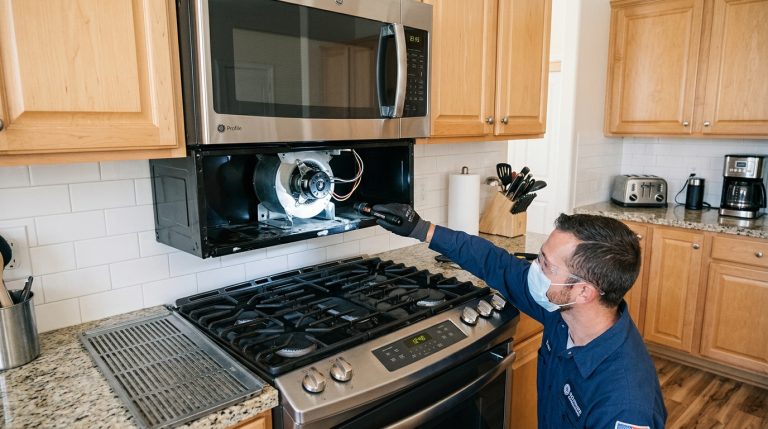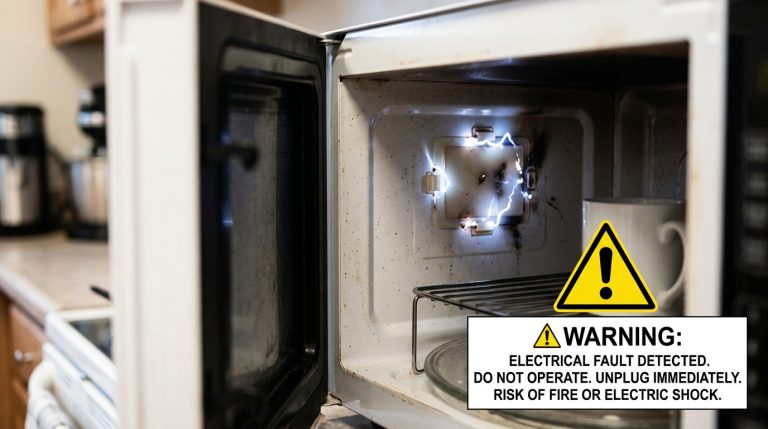
Your stove is one of the hardest-working appliances in your home. Whether you’re preparing breakfast before work or cooking family dinners every evening, it plays a central role in your daily routine. Like every household appliance, however, a stove has a limited lifespan. Understanding how long it should last—and what you can do to extend that lifespan—can save you hundreds or even thousands of dollars in unnecessary replacements.
Many homeowners don’t think about their stove until something goes wrong. A burner stops heating evenly, the oven struggles to maintain temperature, or the ignition clicks endlessly without lighting. These issues often raise an important question:
What is the average life expectancy of a stove?
The answer depends on several factors, including the type of stove, how frequently it’s used, how well it’s maintained, and the quality of its components. While some premium models can perform reliably for over two decades, others may begin experiencing problems much sooner without proper maintenance.
If you’re searching for the Best Stove Repair in Tucson, understanding the expected lifespan of your appliance is the first step toward making an informed repair or replacement decision. At A Plus Appliance Repair, we’ve helped countless Tucson homeowners keep their stoves operating safely and efficiently through expert diagnostics, maintenance, and repairs.
In this comprehensive guide, we’ll explain everything you need to know about stove longevity, common warning signs, maintenance tips, and how professional repair services can help maximize your appliance’s lifespan.
What Is the Average Life Expectancy of a Stove?
According to appliance industry experts, the average residential stove lasts between 13 and 20 years. However, this range varies depending on the appliance type and how well it’s has been maintained throughout its life.
Here are the average lifespans for the most common stove types:
| Stove Type | Average Lifespan |
|---|---|
| Gas Stove | 15–20 Years |
| Electric Stove | 13–15 Years |
| Induction Stove | 10–15 Years |
| Professional Range | 18–20+ Years |
These figures assume the appliance receives regular cleaning, routine inspections, and prompt repairs whenever issues arise.
It’s important to remember that age alone doesn’t determine whether a stove should be replaced. A well-maintained 17-year-old stove may outperform a neglected 10-year-old model. Professional servicing plays a significant role in extending appliance life while improving cooking performance and energy efficiency.
Average Lifespan by Stove Type
Gas Stoves
Gas stoves are among the most durable kitchen appliances available today. With proper care, many models remain operational for 15 to 20 years or even longer.
Their longevity comes from relatively simple mechanical components. Burners, igniters, and gas valves can often be repaired or replaced without requiring an entirely new appliance.
Common issues include:
- Worn ignition switches
- Dirty burner ports
- Weak gas flames
- Faulty safety valves
- Uneven heating
Most of these problems are repairable when diagnosed early by qualified technicians.
Electric Stoves
Electric stoves generally last between 13 and 15 years.
Although electric models contain fewer gas-related components, they rely heavily on electrical systems, heating elements, wiring, and electronic control boards.
Common repair issues include:
- Burned-out heating elements
- Faulty infinite switches
- Temperature sensor failures
- Damaged control boards
- Wiring problems
Routine inspections help identify these issues before they become expensive failures.
Induction Cooktops
Induction cooking technology has become increasingly popular because of its speed, precision, and energy efficiency.
Most induction cooktops last approximately 10 to 15 years.
Their advanced electronic components require specialized diagnosis when problems occur.
Typical issues include:
- Sensor malfunctions
- Control board failures
- Power supply problems
- Cooling fan issues
- Glass surface damage
Because induction technology is more complex, professional servicing is essential.
Professional-Grade Ranges
Luxury appliance brands like Viking, Wolf, Thermador, and Monogram are built for heavy daily use.
These premium appliances often remain functional for 18 to 20 years or more when maintained properly.
Although replacement parts may cost more, repairs are usually worthwhile because of the appliance’s overall durability and performance.
Factors That Affect Stove Lifespan
No two households use their stove the same way. Several important factors determine whether your appliance lasts 10 years—or more than 20.
1. Frequency of Use
Families who cook multiple meals every day naturally place more wear on their appliances than households that cook occasionally.
Heavy daily use increases wear on:
- Burners
- Heating elements
- Ignition systems
- Temperature sensors
- Control knobs
Regular maintenance becomes increasingly important for high-use kitchens.
2. Cleaning Habits
One of the biggest reasons stoves fail prematurely is poor cleaning.
Grease buildup, burned food residue, and clogged burner ports reduce efficiency while increasing stress on critical components.
Simple habits can dramatically extend appliance life:
- Wipe spills immediately.
- Clean burners regularly.
- Remove grease buildup.
- Keep ventilation clear.
- Inspect drip pans.
Routine cleaning also improves cooking performance and kitchen safety.
3. Quality of Installation
Improper installation can shorten the life of even the highest-quality stove.
Common installation mistakes include:
- Loose gas connections
- Incorrect electrical wiring
- Poor ventilation
- Unlevel positioning
- Improper gas pressure
Professional installation helps ensure optimal performance from day one.
4. Preventive Maintenance
The biggest difference between a stove that lasts 12 years and one that lasts 20 often comes down to maintenance.
Preventive inspections allow technicians to:
- Replace worn parts before failure
- Calibrate oven temperatures
- Clean internal components
- Inspect gas lines
- Test electrical systems
- Improve efficiency
Small repairs performed early prevent much larger—and more expensive—problems later.
For homeowners looking for the Best Stove Repair in Tucson, scheduling routine maintenance with experienced technicians can significantly extend the life of your appliance while reducing the likelihood of unexpected breakdowns.
Signs Your Stove Is Nearing the End of Its Lifespan
Even the highest-quality stove won’t last forever. As appliances age, their components gradually wear down, reducing efficiency and increasing the risk of unexpected breakdowns. While a single issue doesn’t necessarily mean your stove needs replacing, multiple recurring problems are often a sign that it’s approaching the end of its service life.
Recognizing these warning signs early allows homeowners to schedule professional repairs before a minor issue becomes a major safety concern.
1. Burners Heat Unevenly
One of the first signs of an aging stove is inconsistent heat distribution.
You may notice that:
- One burner takes much longer to heat.
- Food cooks unevenly.
- Flames appear weak or irregular.
- Electric coils glow inconsistently.
- Some burners stop working entirely.
Uneven heating not only makes cooking frustrating but can also increase energy consumption and cooking times.
For gas stoves, clogged burner ports or failing igniters are common causes. Electric stoves often experience worn heating elements or faulty infinite switches. A professional inspection can quickly identify the source of the problem and restore normal performance.
2. The Oven Won’t Maintain Temperature
A properly functioning oven should consistently hold the temperature you select. If your meals frequently come out undercooked, overcooked, or require longer baking times, your oven may no longer be regulating heat correctly.
Common causes include:
- Faulty temperature sensors
- Worn heating elements
- Defective thermostats
- Malfunctioning electronic control boards
In many cases, replacing one component is far more affordable than purchasing a new appliance.
3. Ignition Problems
Gas stove igniters naturally wear out over time.
Warning signs include:
- Repeated clicking sounds
- Delayed ignition
- Burners that fail to light
- Small or unstable flames
- Needing multiple attempts to ignite burners
Because gas appliances involve combustible fuel, ignition issues should never be ignored. Professional diagnosis helps ensure safe operation while preventing gas leaks or additional component damage.
4. Strange Noises
Most stoves operate quietly. If you begin hearing unusual sounds, it may indicate mechanical or electrical problems.
Listen for:
- Buzzing
- Clicking that continues after ignition
- Humming
- Popping
- Vibrations
While some noises are harmless, others signal failing relays, electrical shorts, loose wiring, or worn internal components.
5. Unusual Odors
Persistent odors are another sign your stove needs attention.
Possible smells include:
- Burning plastic
- Burning insulation
- Gas odors
- Smoke
- Electrical burning
A gas smell should always be treated as an emergency. Turn off the appliance, ventilate the area, avoid operating electrical switches, and contact your gas provider if necessary before scheduling professional repairs.
6. Increased Energy Bills
Older appliances typically consume more energy than newer, properly functioning models.
If your utility bills continue rising despite similar cooking habits, your stove may be operating inefficiently due to worn components or calibration issues.
Professional maintenance often restores efficiency and reduces long-term operating costs.
7. Frequent Repairs
Every appliance eventually reaches a point where repairs become increasingly frequent.
If you’re calling a technician several times each year, it may be time to evaluate whether continued repairs are financially worthwhile.
However, don’t assume replacement is always the best option. Many repairs remain cost-effective, especially for premium brands with long expected lifespans.
Repair or Replace? How to Decide
One of the most common questions homeowners ask is:
“Should I repair my stove or buy a new one?”
The answer depends on several factors.
Consider the Age of Your Stove
As a general guideline:
- Less than 10 years old → Repair is usually recommended.
- 10–15 years old → Depends on repair cost and overall condition.
- Over 15 years old → Compare repair costs against replacement value.
Age alone shouldn’t determine your decision. A professionally maintained stove can often provide several additional years of reliable service.
Compare Repair Costs
Many appliance professionals follow the 50% Rule.
If the repair costs less than half the price of a comparable new appliance—and the stove is otherwise in good condition—repair is usually the smarter financial decision.
For example:
- Igniter replacement
- Burner replacement
- Heating element replacement
- Temperature sensor replacement
- Control knob replacement
These repairs are generally inexpensive compared to buying a new stove.
Consider Appliance Performance
Ask yourself:
- Does the oven bake evenly?
- Are all burners functioning correctly?
- Is the appliance safe?
- Is cooking performance satisfactory?
- Has it required multiple major repairs recently?
If the answer is “yes” to most of these questions, repairing your stove may provide excellent value.
How Professional Maintenance Extends Stove Life
Routine maintenance is one of the most effective ways to maximize appliance longevity.
Professional technicians perform detailed inspections that homeowners often overlook.
Maintenance typically includes:
Cleaning Burner Assemblies
Grease buildup reduces burner efficiency and can block gas flow.
Professional cleaning restores proper flame patterns and improves cooking performance.
Inspecting Ignition Systems
Technicians test:
- Spark modules
- Igniters
- Gas valves
- Safety switches
Replacing worn components early prevents complete system failures.
Temperature Calibration
Oven temperatures naturally drift over time.
Professional calibration ensures accurate cooking temperatures, improving baking results while reducing unnecessary wear on heating components.
Electrical System Inspection
For electric and induction stoves, technicians inspect:
- Wiring
- Heating elements
- Terminal blocks
- Electronic control boards
- Safety devices
Early detection prevents more expensive repairs later.
Gas Leak Testing
Gas appliances require periodic inspection for safety.
Technicians verify:
- Gas pressure
- Valve operation
- Flexible gas lines
- Burner efficiency
- Connection integrity
Routine inspections provide peace of mind while helping prevent hazardous situations.
Simple Maintenance Tips Every Homeowner Should Follow
You don’t need advanced technical skills to help your stove last longer. Consistent care goes a long way toward preventing avoidable repairs.
Clean After Every Use
Remove food spills, grease, and debris before they harden. Regular cleaning prevents burner blockages and keeps your stove operating efficiently.
Avoid Harsh Chemicals
Use appliance-safe cleaners instead of abrasive products that can damage burner finishes, control panels, or glass surfaces.
Keep Burners Dry
Moisture trapped inside burner assemblies can interfere with ignition and lead to corrosion over time.
Inspect Burner Flames
For gas stoves, the flame should be steady and blue. Yellow or orange flames may indicate poor combustion or clogged burner ports that require professional attention.
Don’t Ignore Small Problems
A clicking igniter, uneven heating, or unusual noise may seem minor today, but addressing these issues early can prevent more extensive damage later.
Schedule Routine Service
Annual maintenance helps identify worn parts, improve efficiency, and extend the overall lifespan of your appliance.
If you’re searching for the Best Stove Repair in Tucson, choosing a trusted local service provider for preventive maintenance is one of the smartest investments you can make in your kitchen appliances.
Why Local Expertise Matters in Tucson
Tucson homeowners face unique environmental conditions that can affect appliance performance. Dust accumulation, hard water deposits, and year-round appliance usage can contribute to faster wear if maintenance is neglected.
Working with a local company like A Plus Appliance Repair means your technician understands the common issues affecting appliances in Southern Arizona. Whether you own a gas range, electric stove, or induction cooktop, experienced local professionals can diagnose problems quickly and recommend cost-effective solutions tailored to your home’s needs.
When it comes to reliable service, timely repairs, and preventive maintenance, many homeowners rely on A Plus Appliance Repair as their trusted choice for the Best Stove Repair in Tucson.
Contact A Plus Appliance Repair Today
Don’t let a malfunctioning stove disrupt your daily routine. Whether you need a quick repair, a complete diagnostic inspection, or preventive maintenance, the experienced team at A Plus Appliance Repair is here to help.
Why Homeowners Choose A Plus Appliance Repair
- Experienced appliance repair technicians
- Fast and reliable service throughout Tucson
- Honest, transparent pricing with no hidden fees
- Repairs for all major stove and oven brands
- Professional diagnostics and long-lasting repair solutions
- Commitment to outstanding customer satisfaction
- Convenient scheduling and prompt response times
Our Stove Repair Services Include
- Gas stove repair
- Electric stove repair
- Oven repair and maintenance
- Cooktop repair
- Burner and igniter replacement
- Oven thermostat repair
- Heating element replacement
- Preventive appliance maintenance
- Complete appliance diagnostics
Schedule Your Stove Repair Today
If your stove isn’t heating properly, your burners won’t ignite, or your oven temperature is inconsistent, don’t wait for the problem to become more expensive.
Our experienced technicians are ready to diagnose the issue, recommend the most cost-effective solution, and restore your appliance to peak performance.
Whether you need routine maintenance or emergency repairs, A Plus Appliance Repair is committed to delivering dependable workmanship and exceptional customer service. If you’re searching for the Best Stove Repair in Tucson, we’re here to help keep your kitchen running safely and efficiently.
Frequently Asked Questions (FAQs)
1. What is the average life expectancy of a stove?
Most stoves last between 13 and 20 years, depending on the type, brand, usage frequency, and maintenance. Gas stoves typically last longer than electric models when properly maintained.
2. How long does a gas stove usually last?
A gas stove generally lasts 15 to 20 years. Regular cleaning, burner maintenance, and timely repairs can help extend its lifespan even further.
3. How long does an electric stove last?
Electric stoves usually have a lifespan of 13 to 15 years. Proper maintenance and prompt repairs can help maximize their performance and longevity.
4. What are the signs that my stove needs repair?
Common warning signs include:
- Burners not heating properly
- Uneven cooking temperatures
- Ignition problems
- Strange noises or odors
- Oven not maintaining temperature
- Increased energy consumption
5. Is it better to repair or replace an old stove?
If the repair cost is less than 50% of the cost of a new appliance and the stove is still performing well overall, repair is often the more cost-effective option. A professional inspection can help determine the best choice.
6. Why are my stove burners heating unevenly?
Uneven heating may be caused by clogged burner ports, damaged heating elements, faulty switches, or worn internal components. Professional diagnosis can identify the exact issue.
7. How often should I have my stove professionally serviced?
Most experts recommend scheduling professional maintenance once a year. Regular inspections help detect problems early, improve efficiency, and extend appliance life.
8. Can regular maintenance extend the life of my stove?
Yes. Routine cleaning, inspections, calibration, and replacing worn components can significantly increase your stove’s lifespan while reducing the likelihood of major breakdowns.
9. What stove problems require immediate attention?
Issues that should be addressed immediately include:
- Gas odors
- Sparks or electrical burning smells
- Burners that won’t shut off
- Smoke from the appliance
- Sudden loss of heating performance
These problems can pose safety risks and should be inspected by a professional technician as soon as possible.
10. Who provides the Best Stove Repair in Tucson?
For homeowners looking for the Best Stove Repair in Tucson, A Plus Appliance Repair offers professional diagnostics, reliable repairs, preventive maintenance, and expert service for gas and electric stoves, ovens, ranges, and cooktops throughout the Tucson area.